
Genocide .live

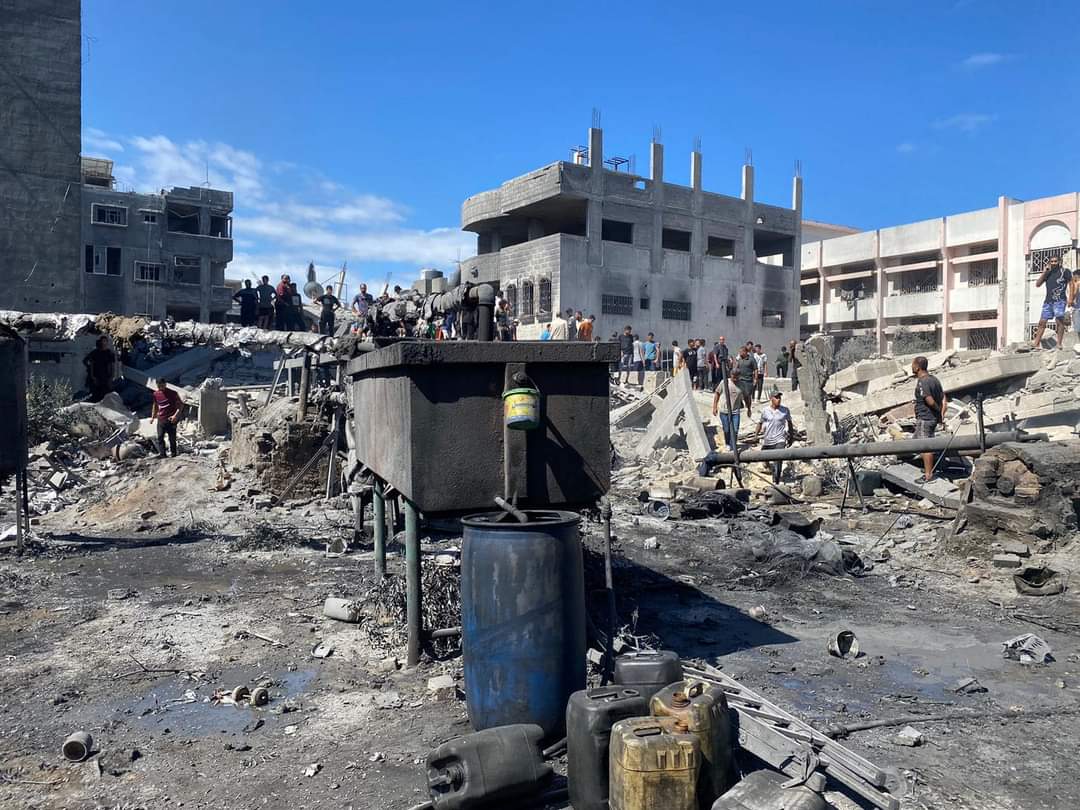
Three houses and energy production workshop bombed
Gaza, Gaza City
14 September, 2024
### First salvo of strikes
At midday, Israeli strikes at midday hit three houses close to the Dar al-Arqam school in the Ard al-Shanti area , west of Gaza City.
The series of strikes also completely destroyed **a makeshift facility used to produce fuel** with outdated processes amid the continued lack of energy sources imposed by Israel.
Journalists and witnesses described the attack as an **Israeli attempt to deny all efforts to restore life** to Gaza or alleviate the harsh conditions.
Some journalists reported that the facility belonged to the Palestinian Civil Defense. However, the latter denied that its energy production facility was struck: "*We deny what is being circulated in the media about targeting a civil defense facility that is used for supplying diesel.
We confirm that since the beginning of the war we have been suffering from a severe shortage of fuel to operate civil defense vehicles and equipment.*"
[Source](https://x.com/SafaPs/status/1834870520401088944)
Journalists and displaced people in the nieghborhood described the attack as a clear attempt to destroy and punish all attempts to support and restore life in Gaza.
https://x.com/AnasAlSharif0/status/1834922743273287990
## Casualties:
5 people were confirmed to have been killed so far, with journalists noting the victims were working at the energy production facility.
### Second strike
About 3 to 4 hours later, aIsrael carried out a second strike bombardment around the area. The area is said to have been previously evacuated.
Al-Aliya kindergarten - Jabalia
Gaza, Jabalia, North Gaza
14 September, 2024
On midnight, September 14, at least 3 injuries after Israeli aircraft bombed Al-Aliya kindergarten and the Al-Ashqar family’s house next door in Block 6, middle of Jabalia camp.
A subsequent strike targeted the Al-Maqadma family’s house in Al-Faluja - thankfully no injuries
[https://english.wafa.ps/Pages/Details/149245](url)
## Civil defense statement :
“The occupation targeted Al-Aliya kindergarten and a neighboring house of the Al-Ashqar family in Block 6 of Jabalia camp, the "Al-Trans" area. Our crews are transporting a number of injuries." (So far, 3)”
## Journalist Islam Bader writes
"How do we cover the bombing at night? How is the atmosphere? Paramedics, civil defense and journalists of the north are at the heart of the event, each doing his part - documenting the targeting of a kindergarten in the middle of Jabalia camp and the miraculous survival of the displaced people inside it and the neighbors."
## Reporting of Anas Al Sharif
"*The night strikes continue. Moments ago, this house on al-Yafawiyya street was bombed, creating this wide hole. Civil Defense crews are searching for any victims.
This has become a daily scene. Every day and every night, Israeli strikes target the homes of civilians.*"
Witness: *"By the grace of Allah we survived what could have been a massacre in Jabalia, and everyone knows what Jabalia refugee camp represents. Our message to the world and to the Israeli enemy is that we will remain here no matter what, either dignified on the land, or as bones beneath it.
Bustan family massacre - Al-Tuffah, Gaza City
Gaza, Gaza City, Al-Tuffah
14 September, 2024
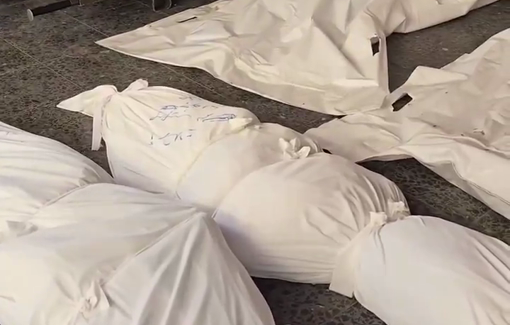
Israeli strikes targeted the Bustan family house before dawn, opposite Al-Shujaiya School in Tuffah neighborhood, east of Gaza City.
11 people were confirmed dead and are yet to be identified.
Rescue efforts are still ongoing half a day later
### Civil Defense statements :
- "9 martyrs recovered, including 4 children & 3 women, and the search is underway for missing persons after occupation aircraft bombing of the Bustan family's home near Al-Shuja'iyya School in Al-Tuffah neighborhood, east of Gaza City."
- Gaza’s civil defense agency added later :
“We have recovered the bodies of 11 martyrs, including four children and three women, after an Israeli air strike hit the house of the Bustan family in eastern Gaza City,” agency spokesman Mahmoud Basal told AFP.
[Source](https://www.arabnews.com/node/2571351/middle-east)
Airstrike on plot inside the "safe zone"
Gaza, Deir al-Balah
13 September, 2024
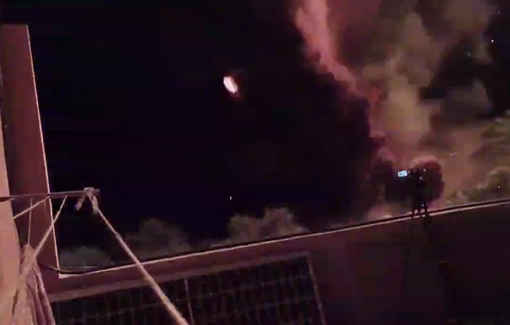
The IDF airstrike occured around 8pm on September 13, and targeted a plot in the vicinity of the Bilal bin Rabah mosque. The area was reportedly evacuated shortly before ([Source](https://x.com/Hamzaalnamla1/status/1834650262788546792)) and was inside the so-called "safe zone" ([Source](https://x.com/NemoAnno/status/1835254503735500978))
The violent airstrike left a crater in tis wake.
**Casualties:**
- There were reports of minor injuries.
Settlers poison well killing 30 livestock animals
West Bank, Jordan Valley, Muarrajat
13 September, 2024
**Results of laboratory analyzes in the investigation into the poisoning of sheep in Marjat.**
Although some supporters have tried to claim that this is a clan feud, it is not a clan feud. The results of the necropsy of the goats in Marjat prove that the goats died after eating a toxic fertilizer or pesticide. No specific food was found in the stomach that could be conclusively proven to be the source of the poison, and it is possible that the poison was in the water. Obviously there are no cultivated fields in the area, so the fertilizer and/or pesticide were consumed in the barn and were likely introduced in a hostile manner. The fact that the goats that showed signs of illness and were injected with atropine were saved also proves that there was poisoning here.
[https://x.com/Mistaclim/status/1838928773757948168](url)

Strike on Sultan Bakery - Al-Thalathini Street
Gaza, Gaza City, Al-Thalathini Street
13 September, 2024
Palestine Red Crescent crews transported three injured individuals after the Israeli occupation forces targeted a group of citizens on Al-Thalathini Street, near the entrance of Sultan Bakery in Gaza City.
📷Filmed by volunteer: Yousef Khader.
[https://x.com/PalestineRCS/status/1834651527962644640](url)
Geolocation| PRCS medics transport casualties at the entrance to the Sultan Bakery, Al-Thalathini Street, Gaza City, North #Gaza
Harassment by the settlers during the olive harvest
West Bank
12 Sep, 2024 - 15 Dec, 2024
At least 2 martyred
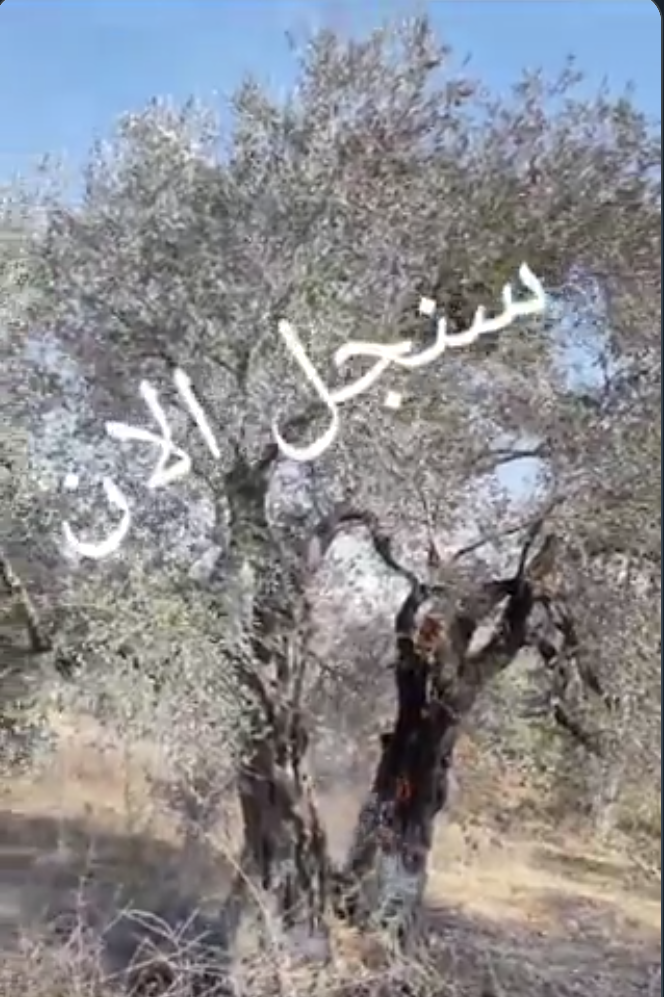
Since[ the beginning of October,](https://www.france-palestine.org/6-Palestinien-nes-tue-es-en-Cisjordanie-occupee-la-3e-semaine-d-octobre-2024) and the olive harvest season in Palestine, attacks against Palestinian farmers have increased. Attacks and assaults against farmers are daily occurrences in the occupied West Bank and the vast majority target farms in the governorates of Nablus, Jenin, Tulkarem, Qalqiliya and Salfit.
Olive trees are estimated to account for a third of cultivated land in Palestine and contribute up to 20% of the agricultural output.
The current olive harvest season is especially important for the Palestinians given the economic hardship caused by the war. Settlers have already used violence against harvesters, and many fear that the army won't provide adequate protection and will prevent them from accessing their lands.
Throughout this olive season, Israel's Settler/Soldier militias have been diligently
1) preventing farmers access to their lands,
2) shooting/killing farmers,
3) terror attacks, burning of homes & property,
4) destruction of olive trees,
5) theft of olive harvest.
In most cases, Palestinians were in their lands harvesting olives, in areas which even Israel's "judicial & military authorities" "permitted" Palestinian farmers access to. However, Israeli settlers & soldiers coordinated to remove Palestinians from their lands, often by force.
In some cases, like Sisiya on October 18, the settlers violently attack Palestinian farmers before the Israeli soldiers intervene to expel the farmers. In Susiya, the farmers had a fresh "Israeli court order" permitting them access - to no avail. In other cases, the Settler/Soldiers terrorists simply shoot & kill Palestinian farmers, such as in the case of Hanan Abu Salameh on October 17, a 59-year-old woman who was killed while harvesting olives in Faqqua near Jenin by a soldier who fired about 10 shots at her.
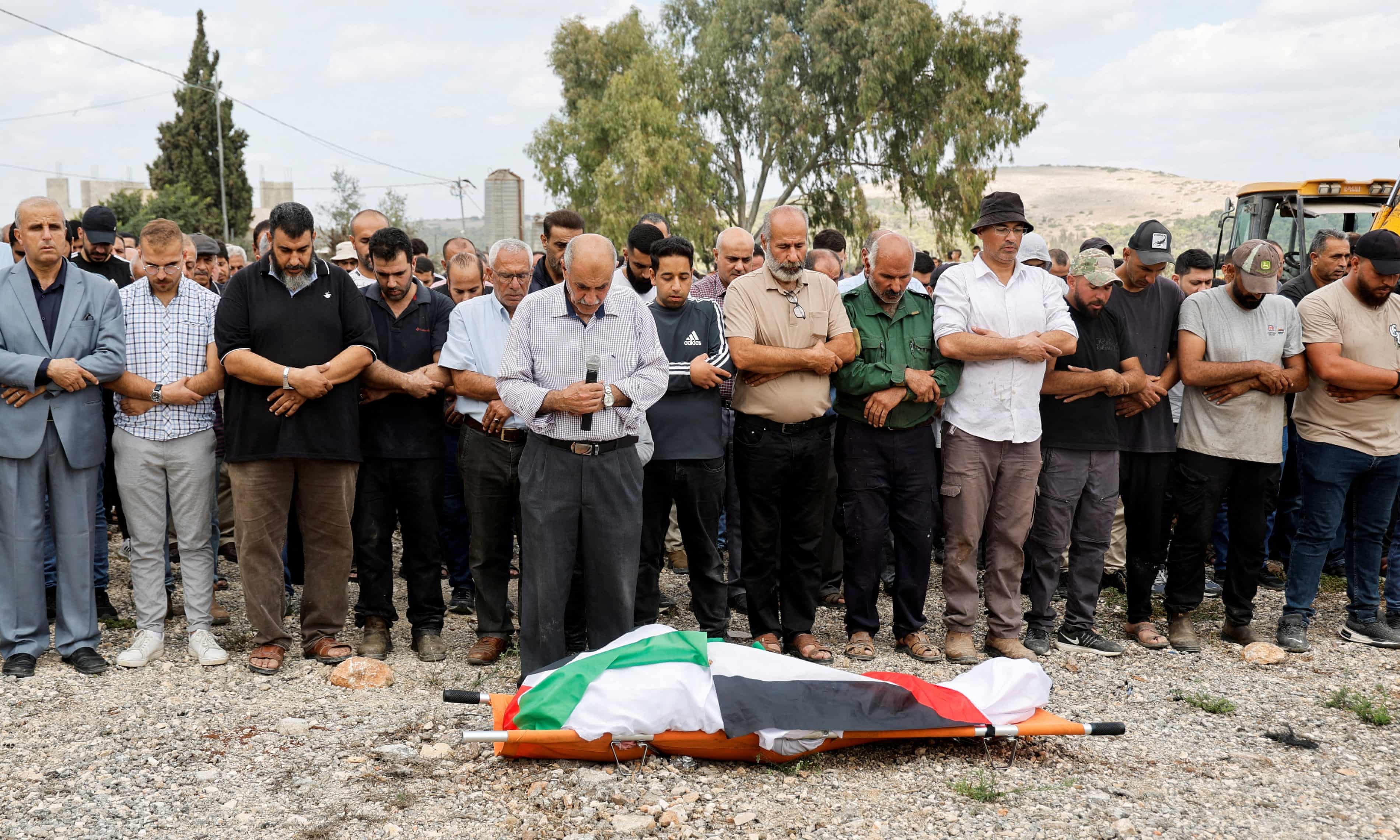
West Bank olive harvest met with rising Israeli violence, [says UN](https://www.theguardian.com/world/2024/oct/18/west-bank-olive-harvest-met-with-rising-israeli-violence-says-un?CMP=Share_iOSApp_Other). Nine deaths in a week, including soldier’s killing of 59-year-old woman as she farmed, brings charges of ‘war-like’ tactics. The settlers attack, burn, and destroy. The soldiers attack and issue "military closed zones." In tandem. They work in close cooperation to prevent Palestinian farmers access to their olive harvest, imposing a new reality on the ground.
Another new phenomena across the West Bank, is that Israeli settlers now felt comfortable to steal the Palestinian olive harvest after succeeding to expel Palestinians off their lands through the use of force. Sometimes, after they steal, they burn or destroy the olive trees. This is an overlooked reality in the occupied West Bank.
And the settlers are celebrating this achievement, calling for donations and supporters, hoping to expand the new reality on the ground. This has been one of the most violent Olive Harvest season. Every day, Palestinian farmers were violently prevented from reaching the olive groves, or threatened and attacked inside their villages as warning.
Source [1a](https://x.com/JalalAK_jojo/status/1853417989338472794)
[1b](https://threadreaderapp.com/thread/1853417989338472794.html)
## Chronology (ongoing)
**On November 28** in Salem Village, the Israeli forces obstructed Palestinian farmers' access to their lands in Salem, east of Nablus, preventing them from harvesting olives. Soldiers detained individuals, checked IDs, and used sound bombs and tear gas against youths. They also set up an iron gate at the northern entrance and placed soil berms to block vehicles.
**On November 25**
Palestinian families are prevented from harvesting olives from their groves by Israeli colonial forces in the area of Sahel Turmus-Aya. Before being kicked out of their lands, farmers noticed that their olive trees bore very little fruit. Throughout this past year, the landowners were prevented from accessing their land at the hands of settlers and soldiers, thus making it impossible to tend to their trees properly. The soldiers also attacked a youngster. (according to [Activestills](https://x.com/activestills/status/1860993447135510963)
**On November 9**
Ahmad Abdullah Ghazal from the town of Sebastia, northwest of Nablus has passed away days after settlers attacked him and sprayed him with gas while he was picking olives. He did not suffer from any illness prior to this incident.
**On November 8**
The guard of Yitzhar settlement, along with settlers dressed in Israeli occupation forces uniforms, expelled farmers and stole olives from the lands of Burin village, south of Nablus.
Landowners returned to their orchards in Umm Nir to continue the olive harvest that had been interrupted the day before. This time, Shmuel Lusky and another settler from the illegal outpost of Ancient Susya arrived at the scene, attempting to steal the harvested olives and assaulting the harvesters.
**On November 7** dozens of soldiers and police officers from the Border Police prevent harvesting in olive groves, in Um Nir, near Susya, Masafer Yatta.
**On November 4** :
**in Burqa,** Settlers invaded a Palestinian land to burn their olive trees. Two farmers defend their land by throwing stones on the settlers who are lightly wounded.
**On November 2** :
- Under the protection of Israeli forces, settlers attacked farmers while they were picking olives in **Qaryut** village, south of Nablus.
**On October 30** :
- Israeli settlers chopped off hundreds of olive trees in **Qaryut** near Nablus.
**On October 28** :
- Israeli settlers storm agricultural lands near Ramallah and set fire to olive trees.
**On October 27** :
- In the morning - a Palestinian's car is burned while picking olives near the town of Kablan, southeast of Nablus. In the evening - in the square at the entrance to Huwara, same governorate, soldiers or settlers, raided the area.
**On October 26**:
- In Hebron / Al-Khalil, Israeli Jewish settlers attacked a Palestinian family during the olives harvest in Hebron, stoling the olives & sheets which the family use to pick the olive.
**On October 25**:
- In **Beit Jala** area, Israeli army prevents Palestinians from harvesting olives on private land, using stun grenades at close range against activists assisting with the harvest.
- EU and allied diplomatic officials joined Palestinian youth in olive harvesting at **Kufr Nimeh** to show solidarity amid rising settler attacks. Since October 1st, settlers have reportedly vandalized, burned, or cut down about 600 olive trees in 15 West Bank communities. UNOCHA recorded 51 settler-related incidents affecting 57 communities.
**[EU Statement](https://x.com/EUpalestinians/status/1849707373964718112)**: The EU urged Israel to protect Palestinian farmers and ensure a safe harvest, stressing that perpetrators of violence, harassment, and intimidation should be held accountable.
**On October 22**:
- A large groups of settlers carried out a progrom against the residents of **Jalud, a village near Nablus**. They set fire to homes, vandalized vehicles, killed livestock, and and physically assaulted villagers. 2 Palestinians were injured in the face and another suffered a skull fracture during the attack. Sheep were slaughtered
**On october 20**
- **In Burqa**, near Ramallah, soldiers prevented the olive harvest by using stun grenades and making threats. As the soldiers attempted to evict the locals, masked settlers armed with batons approached.
**On October 18**:
- Settlers open fire and launch tear gas at residents and volunteers harvesting olives in **Kafr al-Labad**, east of Tulkarm
- A settler attack on the residents in **Susiya village, Masafer Yatta**, one solidarity activist was injured. Since the start of the Olive Harvest, attacks have been non-stop and increasing, while soldiers watch and protect the settlers and facilitate the attacks.
- In the middle of the night settlers snuck into olive groves in **Burin**, near Nablus, and stole their equipment.
- An armed Israeli settler in IDF uniform threatens Palestinians after storming their land during olive picking in the village of **Ramin**, Tulkarm, West Bank.
**On october 17 :**
- **Hanan Abdel Rahman Abu Salama, 59, was killed** by Israeli fire as she was picking olives near the security barrier in the West Bank village of **Faqoua near Jenin**, on October 17, 2024. [The Israel Defense Forces ](https://www.timesofisrael.com/palestinian-woman-killed-by-idf-gunfire-while-picking-olives-officer-suspended/) has suspended a deputy commander in its 334th Battalion and opened an investigation. Faqoua village councilor Munir Barakat told AFP that “an Israeli in military clothing arrived at the place in a white car and fired about 10 bullets at the Abu Salama family, who were picking olives on their land".
- Local sources reported that the colonists attacked citizens while they were attending their lands and picking olives in the village **of Rojib**, sprayed them with **pepper gas,** and forced them to leave.
- In a related context, an Israeli colonist also attacked a citizen while he was picking olives in the village of **Madama, south of Nablus**, preventing him from completing his work, and **forcing him to leave** his land.
- In **Qusra**, Israeli settlers further forced citizens to leave the olive fields, and **seized a vehicle used to transport** them and transport the olives after the harvest.
**On October 13 :**
- In **Burin** just outside Nablus, teenage settlers are beating olive trees and stealing crops from Palestinians.
**On october 12**
- Settlers set the village of **Al-Mughayyir**, north of Ramallah on fire to burn down agricultural crops and olive trees. Armed settlers assault farmers and block them from harvesting olives;
- Settler militias assault farmers during olive harvesting in **Turmus Ayya**, north of Ramallah
**On October 5:**
- in Al-Luban al-Gharbiyya (اللبّن الغربيّة), Ramallah district - Al-Bira, occupied West Bank, Hasem Salama and his family were attacked by over 50 masked and armed Israeli settlers while harvesting olives. 11 Palestinians were injured, including women and a 7-year-old child. The settlers used iron pipes, causing bone fractures and severe injuries; Salama himself suffered leg wounds and was unable to stand.
**On September 28 :**
Armed settlers raided our land in Tuwani, Masafer Yatta, deliberately destroying olive crop using a herd of sheep, under protection of armed settler soldiers. They detained farmers for an hour while the settlers sabotaged the olive grove.
**On September 12 :**
- Settlers from the **Rehelim** area set fire to olive trees and agricultural equipment in the village of Yatma. The fires are still burning.
## UN Experts on Israeli Settler Violence Against Palestinian Farmers
On 17 October 2024, UN experts [highlighted ](https://english.palinfo.com/news/2024/10/17/327132/)the severe challenges Palestinian farmers face during the olive harvest season in the Israeli-occupied West Bank.
**Intimidation and Violence:** Israeli settlers and occupation forces have escalated their attacks, severely harassing Palestinian farmers, restricting access to land, and threatening food sovereignty. 2023 saw the highest levels of violence, including physical assaults, property damage, and obstruction of access to farming areas. Many Palestinians were forced to leave their homes and lands.
**Economic Impact:** Due to Israeli restrictions, 96,000 dunums of olive-cultivated land remained unharvested in 2023, causing a loss of 1,200 metric tons of olive oil, valued at approximately $10 million.
**Cultural and Ancestral Significance:** The olive harvest is central to Palestinian culture and heritage. UN experts view Israel’s actions, including the destruction of orchards and water source restrictions, as attempts to expand illegal settlements.
The annual olive harvest is a vital economic, social & cultural event for Palestinians 🫒
It's why [Irish and UE partners](https://x.com/IrlRepRamallah/status/1852391662472843346) are joining local harvests across the West Bank as a protective presence against a rise in settler violence, vandalism & intimidation, as documented by @OCHAOPT since Oct 1st.
**The Yesh Din organization** [reports ](https://www.timesofisrael.com/multiple-attacks-against-palestinian-olive-growers-reported-as-harvest-season-begins/)that settlers have attacked laborers, stolen olives, and destroyed trees across the northern West Bank. Despite agreements with the Israeli military for protection, attacks continued, particularly in areas like Mughayyir and Burin. In total, Yesh Din recorded 36 violent incidents since October 3, with 24 of them preventing olive harvesting, even on lands without IDF-imposed access restrictions. In some cases, IDF soldiers and police were present but did not intervene; in others, they allegedly assisted settlers in driving laborers off the land. Palestinian farmers are only granted access to their lands twice a year, and no coordination for the 2024 harvest has been finalized. The IDF claims to be providing protection amidst increased security risks.
According to Yesh Din, the 2024 olive harvest in the West Bank was marked by severe disruptions and violence against Palestinian farmers.
a) *Violence and Obstruction by Settlers and Security Forces*:
- The harvest, beginning on October 15, was marred by assaults and expulsions of farmers by settlers and Israeli security forces.
- In Faqqu’a (Jenin District), soldiers shot and killed 59-year-old Hanan ‘Abd a-Rahman Abu Salameh.
- Soldiers, Border Police, and settlement Civilian Security Coordinators (CSCs) frequently prevented Palestinians from accessing their lands or failed to intervene against settler violence.
- Military closure orders barred Palestinians from large agricultural areas, blocking access to their own lands.
*Failures of the Coordination Mechanism:*
- The army’s “coordination mechanism,” meant to ensure safe harvests, was poorly implemented.
- Coordination notices were often given last minute, with farmers receiving only 1–2 days for harvesting, making it impossible to prepare or complete their work.
- Settlers exploited these restrictions, accessing and harvesting Palestinian lands freely, often stealing crops with soldiers present and inactive.
*Violent Incidents and Crop Theft:*
Between October 1 and November 15, 2024, Yesh Din documented 113 incidents of violence, harassment, or crop damage on lands from 51 Palestinian communities:
- 68 incidents: Settlers and soldiers forcibly prevented harvesting. In 70% of cases, state-armed personnel aided settlers or failed to protect farmers.
- 43 incidents: Physical violence against harvesters, including beatings and live fire, resulting in one fatality.
- 52 incidents: Theft or destruction of Palestinian property, including olive crop theft on 38 occasions.
- 12 incidents: Deliberate damage to olive trees, with hundreds of trees cut, sawed, or burned.
**International Legal Obligations:**
- UN experts reaffirmed Israel’s legal duty to end the occupation and dismantle settlements as directed by the International Court of Justice (ICJ) ruling on 19 July 2024, supported by the General Assembly on 18 September 2024.
- Provide reparations for human rights violations, return confiscated land, and allow displaced Palestinians to return.
Call for International Protection:
UN experts urge for protective measures, including a foreign presence to act as a buffer between Palestinian farmers and settlers.
The Special Rapporteur on the right to food will present a report emphasizing Palestinian food sovereignty at the General Assembly on 18 October 2024.
[Source](https://www.haaretz.com/israel-news/2024-10-08/ty-article-magazine/.premium/west-bank-palestinians-fear-idf-and-settlers-will-stop-their-olive-harvest-again-this-year/00000192-6ba3-ded3-a7bb-7fe309ac0000)
[Source](https://www.ohchr.org/en/press-releases/2024/10/israel-must-stop-violent-settler-attacks-palestinian-farmers-threaten-their)
[Source](https://www.al-monitor.com/originals/2024/10/west-bank-facing-most-dangerous-olive-season-ever-un-experts)
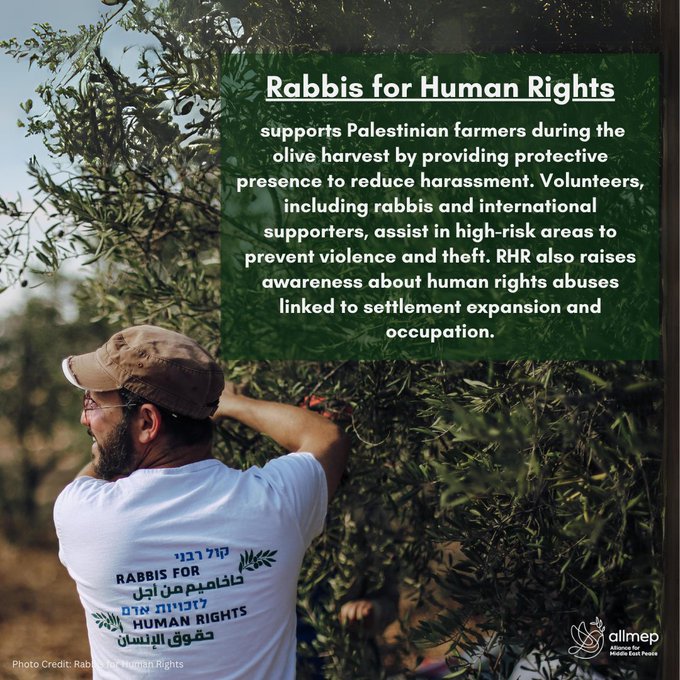
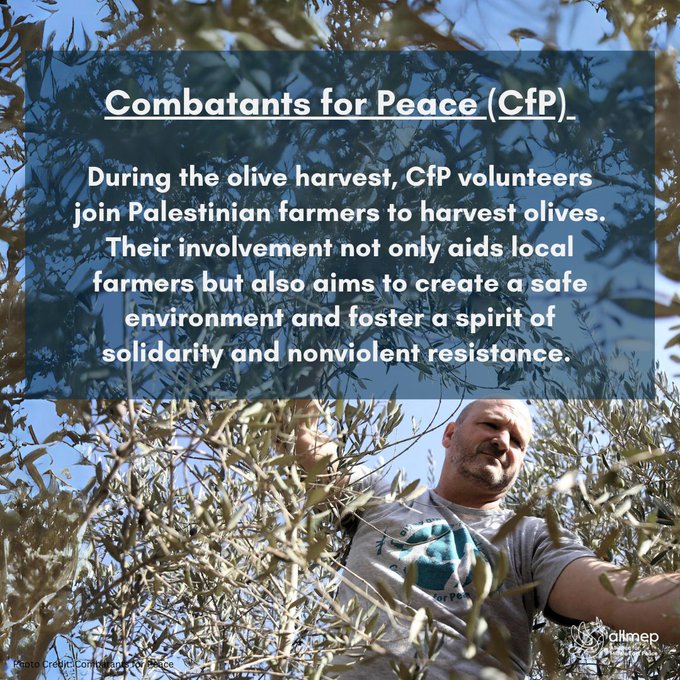
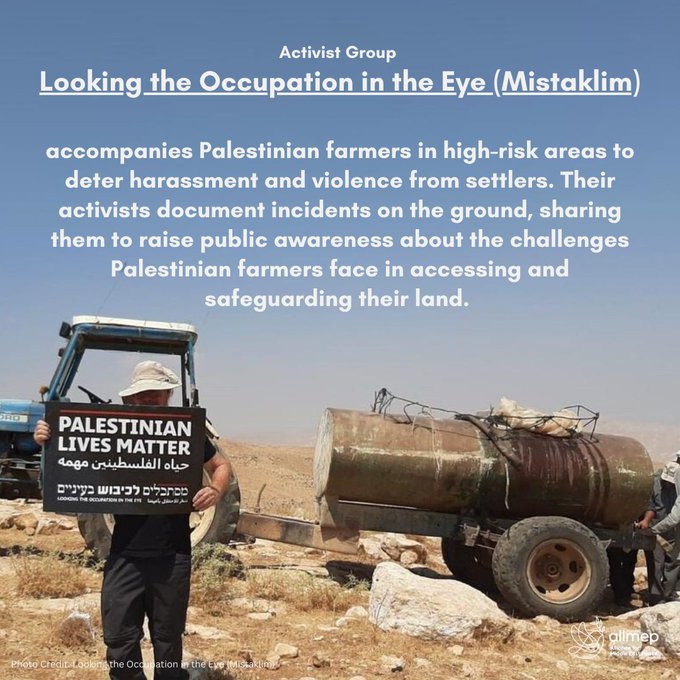
### Activits and solidarity group
The Alliance for Middle East Peace (ALLMEP) is a network of over 160 NGOs conducting peacebuilding between Israelis and Palestinians.
Al-Zoghbi family massacre - Khan Younis
Gaza, Khan Younis, European Hospital
12 September, 2024
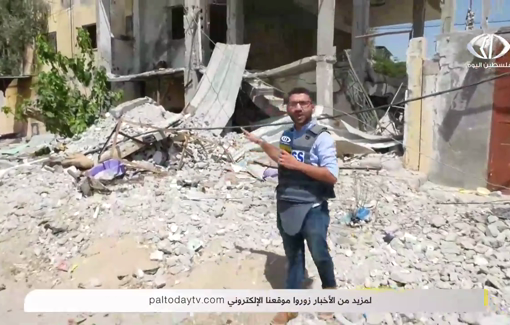
The IDF bombed at midday the Al-Zoghbi family house, in the vicinity of the European Gaza Hospital, east of Khan Younis.
The strike killed 4 people: 2 young brothers in their early twenties, one of which had a 3 month-old infant, along with their uncle and neighbor.
**Names of the martyrs:**
- Mahmoud Othman Al-Zoghbi (52 y/o)
- Youssef Iyad Al-Zoghbi
- Mohammed Iyad Al-Zoghbi
- Anas Nash'at Al-Madhoun (neighbor)
[Source](https://x.com/Hamzaalnamla1/status/1834175448097419745)
Abu Asr family home - Al-Nazzaz Street
Gaza, Gaza City, Shujaiya
12 September, 2024
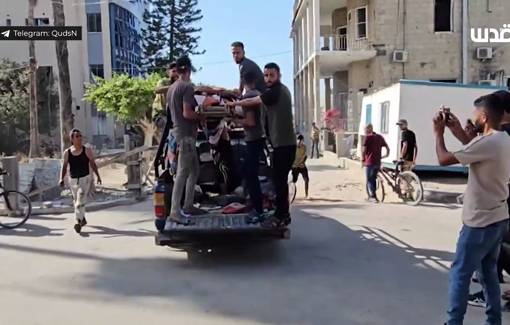
In the afternoon, Israel bombed the Abu Asr family house on Al-Nazzaz Street
in the Shujaiya neighborhood, east of Gaza City, completely destroying the house and causing a fire to break out.
At least one person was killed and 5 injured according to different footage related to this airstrike.
**Names of the martyrs (identified):**
- Tamer Muhammad Abu Asr
[Source](https://x.com/Qadeyah1/status/1834687361164230843)
Kidnapping of the patient Ayham Al-Saadi
West Bank, Hebron, Al-Khalil, Halhul
12 September, 2024
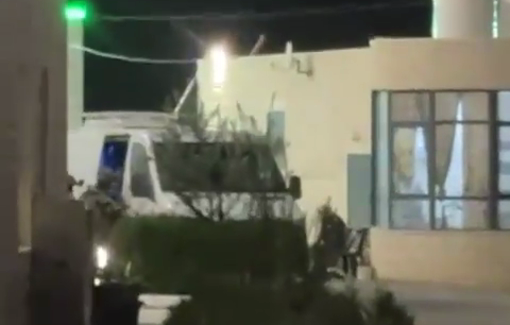
On September 12, undercover Israeli special forces dressed in civilian clothing, raided the internal medicine department of Halhul governmental hospital, and kidnapped the injured patient Ayham al-Saadi. They dragged him through the hallways of the hospital in Hebron into army vehicles shortly after midnight.
The Palestinian Ministry of Health condemned, the kidnapping and doctors have stressed the kidnapping poses danger to the patients life who was receiving urgent medial treatment.
The Director General of Hospitals, Haitham al-Hadri, confirmed that the health condition of the patient al-Saadi is very serious, and he is receiving treatment in an isolation room, and that his kidnapping poses a real danger to his life.
Source : [1](https://www.ansarollah.com.ye/archives/714696)