
Genocide .live

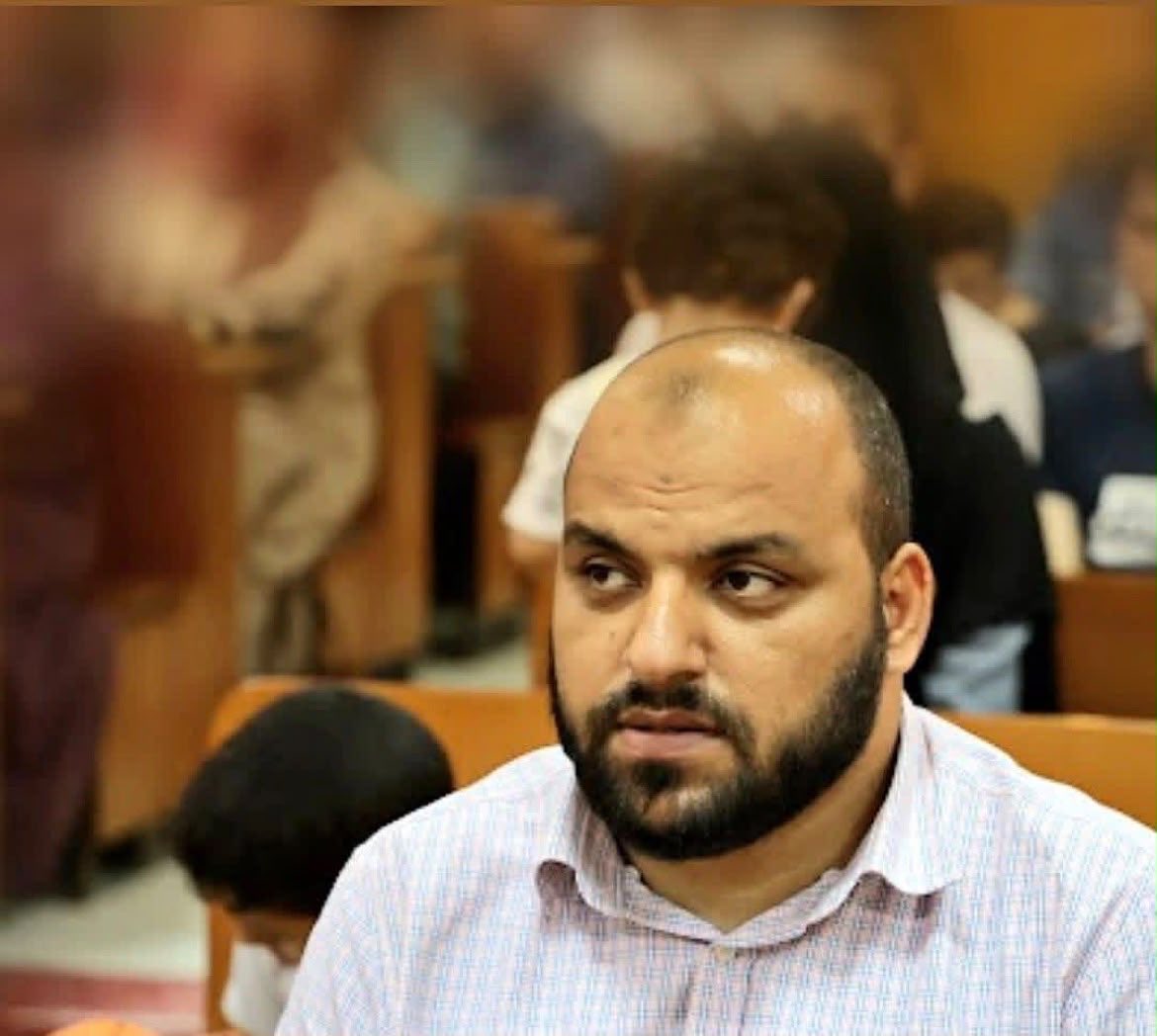
Drone strike kills man in Al-Shati camp
Gaza, Gaza City, Al-Shati
05 Nov, 2026 - 06 Nov, 2026
At least 1 martyred
Around 5:40 pm, an Israeli drone strike targeted a group of people at Al-Shuhada square in Al-Shati camp west of Gaza City. At least one man was killed.
**Name of the martyr:**
1. Muhammad Atta Al-Qishawi "Abu Malek"
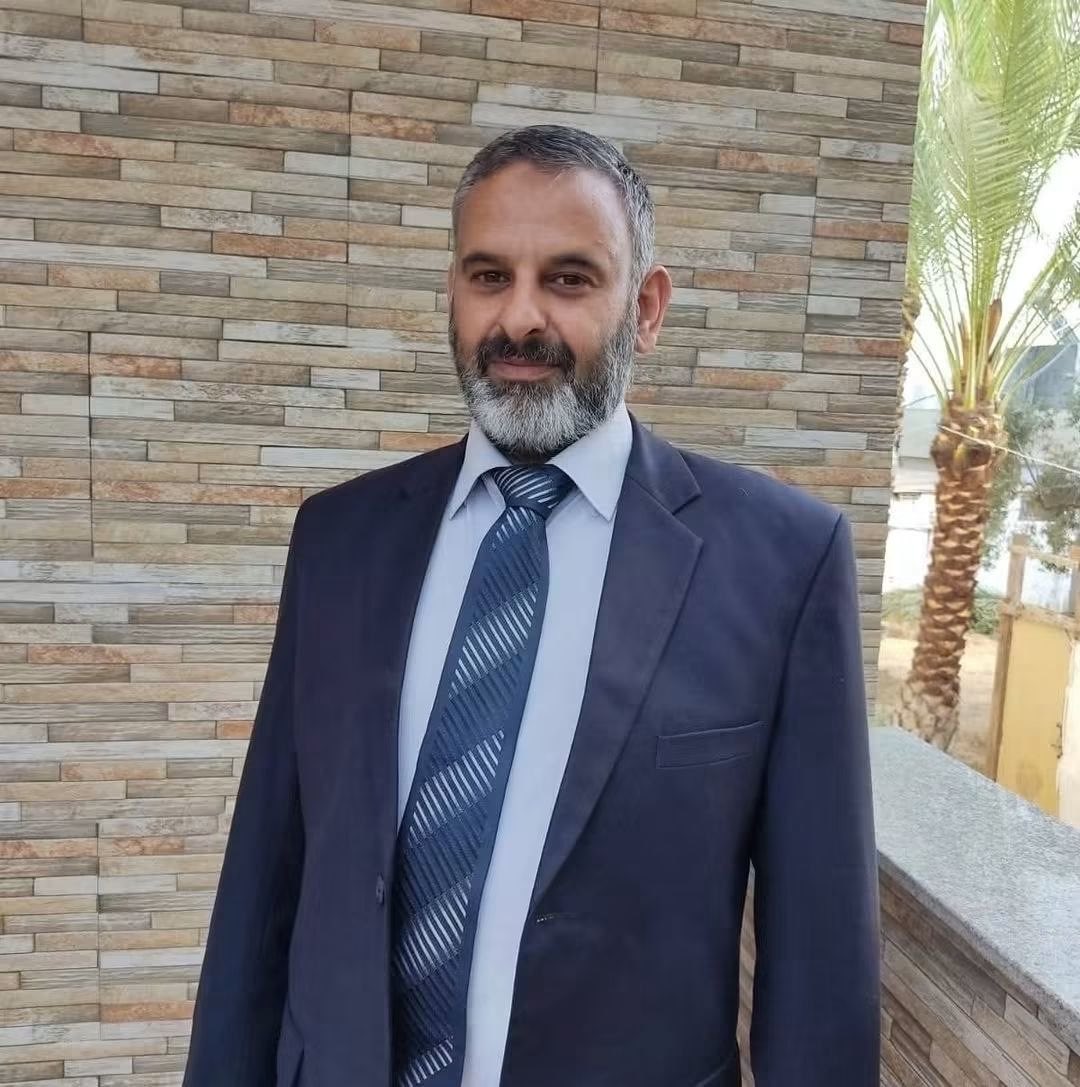
Drone kills a Palestinian near Zawayda Municipality
Gaza, Deir al-Balah, Zawayda
05 November, 2026
Around 2 pm, an Israeli drone strike targeted the vicinity of the Zawayda Municipality, killing at least one man.
**Name of the martyr:**
1. Fadl Abdullah Salman Abu Mazid
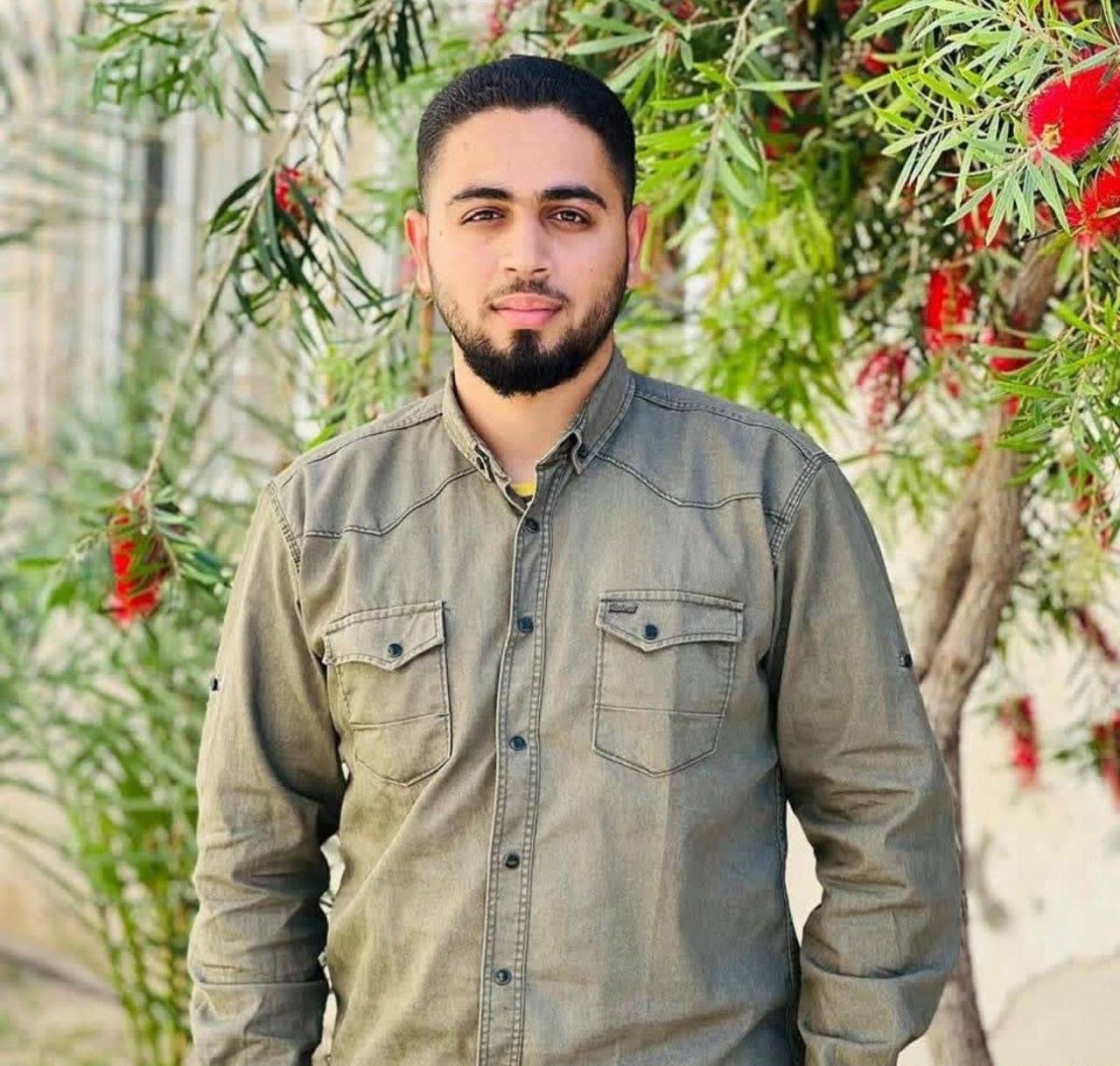
Young man killed in strike on tent in Zawayda
Gaza, Deir al-Balah, Zawayda
05 November, 2026
Around 1 pm, an Israeli drone strike targeted a tent in the town of Zawayda in central Gaza, killing a young man.
**Names of the martyrs:**
1. Abdurahim Walid Matar
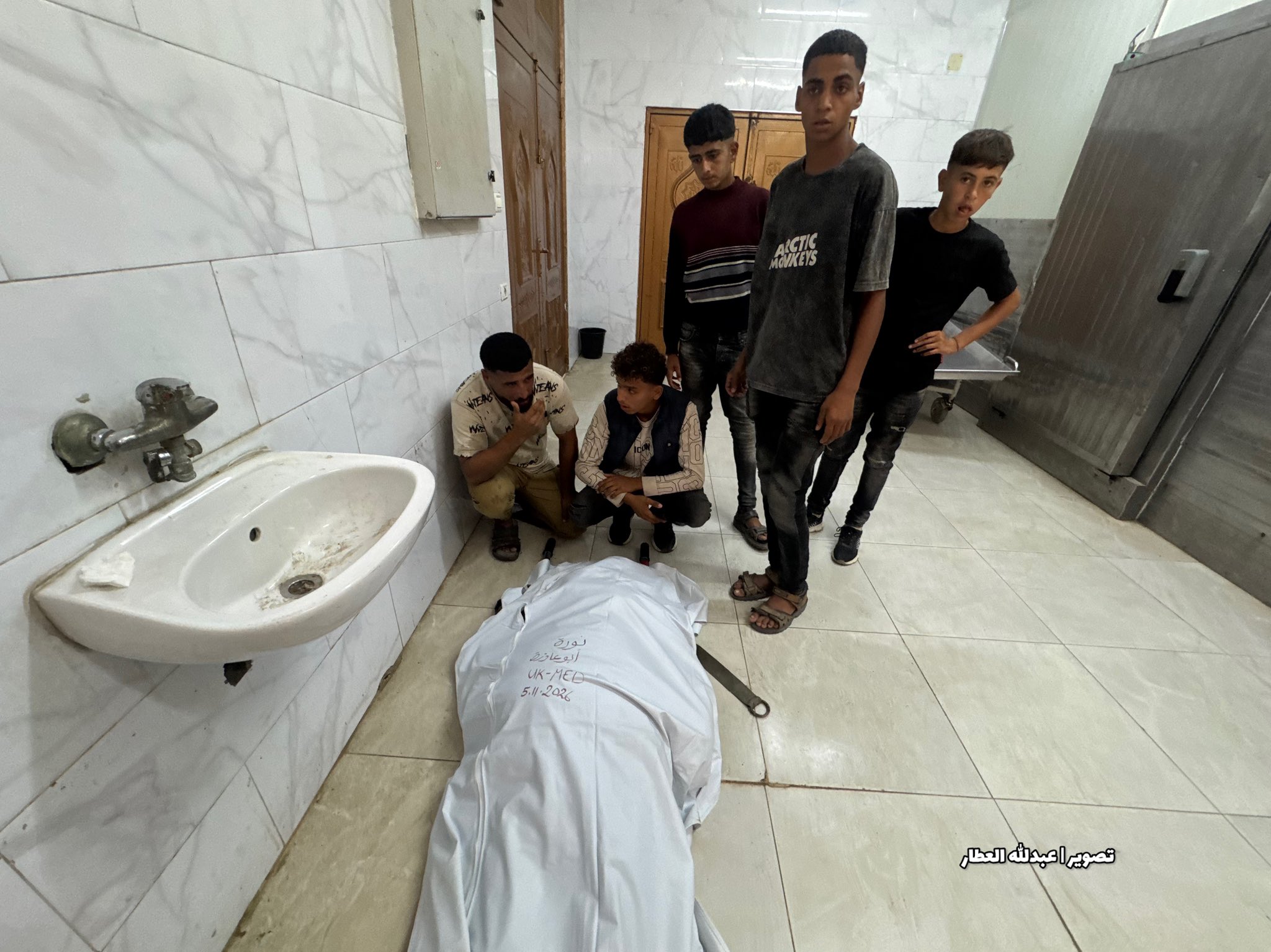
Mother killed by Israeli gunfire shortly after sending off her daughter
Gaza, Khan Younis, Al-Mawasi
05 November, 2026
At least 1 martyred
Around midday, Israeli gunfire injured a woman inside the Rawafid Al-Amal school in the Bir 19 area int he west of Khan Younis. The woman succumbed to her injuries shortly after.
The victim was a mother of five and had just sent off her husband and daughter leaving Gaza to Egypt for medical treatement and medical studies respectively.
**Name of the martyr:**
1. Noora Sulaiman Muhammad Sheikh-Al-Eid (54 y/o)
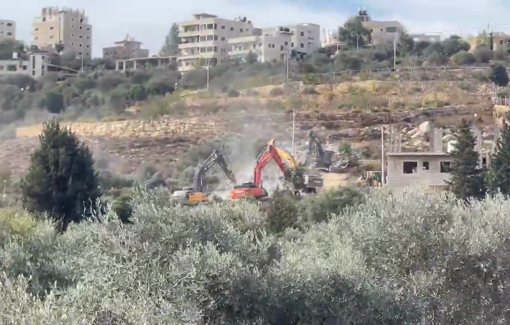
Demolition and forced displacement in Biddu
West Bank, East Jerusalem/Al-Quds, Biddu
05 November, 2026
On November 5, 2026, in the early morning, Israeli forces demolished Palestinian residential buildings in Biddu, northwest of Jerusalem. The demolitions took place without prior warning and more than 100 residents were displaced, and some were reportedly prevented from removing their belongings.
They forced residents of 12 apartments out before demolishing them. Soldiers fired stun grenades and tear gas at homeowners, preventing them from retrieving their belongings before the demolitions began. The properties belonged to Ahmad Abu Eid, his sons and his daughter. Abu Eid's son, Salman, was a former prisoner released under last year's prisoner exchange deal and deported to Egypt. Abu Eid believes the demolitions were an act of retaliation linked to his son's release. Soldiers prevented the family from removing the contents of their homes and gave them insufficient time to evacuate. As a result, they lost access to their furniture, clothes and personal belongings.
Israeli soldiers cited the absence of building permits as the reason for the demolitions. The homes were located in Area C of the occupied West Bank.
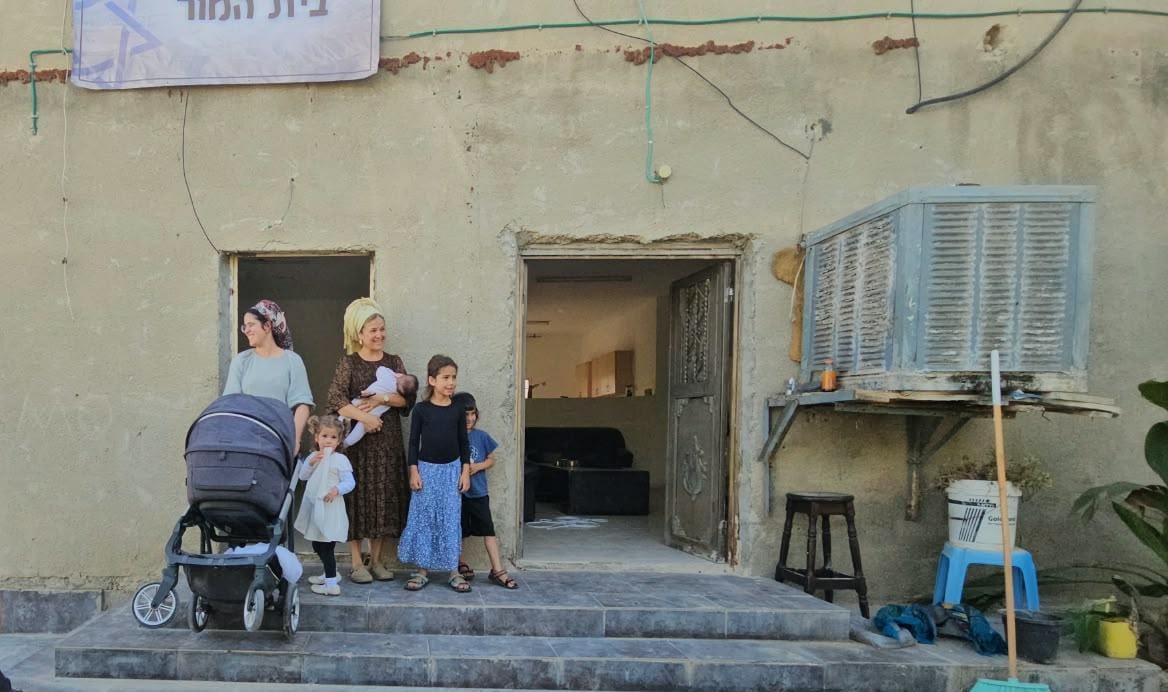
Land and home seizure in Ein al-Duyuk at-Tahta near Jericho
West Bank, Jericho / Ariha, Ein al-Duyuk, Deir al-Dik al-Tahta
04 November, 2026
Deir al-Dik al-Tahta (دير الديك التحتا) or Deir al-Dyuk al-Tahta (village of Ein a-Duyuk a-Tahta) is a Bedouin community west of Jericho. Ein ad-Duyuk at-Tahta (Arabic: عين الديوك التحتا), is a Palestinian village in the Jericho Governorate in the eastern West Bank situated in the Jordan Valley, located two kilometers west of Jericho.
## **Previous assaultd on Palestinian properties:**
On February 11, 2026: reports that 15 families from the Al-Ara'ra clan were forced to leave the As-Satih area of Deir al-Dik.
In February and July, dozens of local Palestinian structures and homes were demolished or targeted, and new outposts and fencing efforts have steadily expanded around the village near the Hasmonean Palaces site.
## **The conjoint Nachala & Benjamin Regional Council operation**
**On November 4, 2026**, settler attacked and seized eight Palestinian homes in the Stih area, in the village of Ein al-Duyukh. The sanctioned settlement movement Nachala and the Binyamin Regional Council were the organisers of the operation. They pretended in the press that they jointly organised the secret purchase and settlement of the eight houses. The eight houses are adjacent to Palestinian homes and that settlers had carried out agricultural work on approximately 50 dunams nearby.
During the evening of November 3, Settlers—some armed—forced entry into the properties by breaking doors while owners were away, leading to localized clashes, reports of injuries, and subsequent Israeli military vehicle deployments into Jericho and nearby refugee camps.
The testionies of the activists of "Unarmed Civilian Protection in Palestine" recounts another version: "
*"Their phones were smashed with a stone, so these voice notes are all that’s left from the moment settlers attacked our activists in Stih, near Jericho, yesterday.
14:11: Settlers have taken over a Palestinian home. A few stand on its roof. A shot is fired, and a Palestinian man is hit.
14:11: Two of our activists go in. Both are beaten; one is left bleeding from the head. Their phones are broken with a stone.
14:50: Two houses taken. 20 to 30 settlers, many of them armed. “They now go directly to beating us in the head.” Police are called again and again. They don’t come. The army blocks the road.
18:03: More settlers arrive with bats. The families gather on a single balcony.
By night, the families had left. Israeli TV called it “a new Jewish neighbourhood in the heart of Jericho.”*
The seizure is promoting in a biblical pretext, as the text displayed on one of a house shows: *"Persimmon house
This house is named after the biblical aparthenum, a perfume and medicinal plant that flourished in Jericho and was the most valuable and valuable aparthenium resource.
Of the Hasmonean kingdom, the royal persimmon oil that sneaks into the valley
It was used in ancient times to make the holy anointing oil and for the work of lighting and incense in the Temple. The temple commemorates the glory of the past and expresses the vigilance and the bishops for the renewal of the production of the oil and its speedy return to the work of the Temple."*
**Among the public figures present at this seizure event,** the internationaly sanctioned responsible of Nachala Movement, Daniella Weiss and Lital Slonim, Nachala Director Manager of Public Relations for the Nachala Movement. But also the Jewish Underground terrorist, Rabbi Uzi Sharbaf, freed after his life sentence for murdering three students and wounding 33 others as part of a team of shooters that attacked the Islamic College in Hebron, was commuted. Member of the Nahala Settlement movement. Chief of the Eitam Yeshiva near Efrat. He is also the son in-law of the terrorist supremacist Rabbi Levinger. Neria Ben Pazi "The Angel of Death" was also involved in this operation.
Nachala Movement Chairwoman Daniela Weiss states: *"The Nachla Movement, which operates according to Rabbi Levinger's concept of settlement, has set a national goal to renew Jewish life in large cities. "Today we are privileged to continue the fulfillment of this vision and open a new chapter in the history of settlement in the city of Jericho."*
According to far-right Channel 13, *"The entrance to the houses was accompanied by security teams and conducted in a manner reminiscent of high-level organized activity. Until the moment of entry itself, no party outside the direct partners in the move knew of its existence. According to the Binyamin Council, the eight houses are located on state land in the regional council, some on the outskirts of Jericho and near the Hasmonean Palaces archaeological site."*
The alleged purchase is suspicious. In a report by Ezri Tobi, we can see the first settler entering the houses and discovering their contents. Bottles of water are on the table, and the beds are made up with mattresses and sheets. Everything is quickly removed to prepare the houses for the families waiting outside. Trucks carrying mattresses and furniture are organized into a convoy.
Later, the testimonies of two Palestinian owners of seized houses recounted that they were assaulted during the night in their houses by armed settlers and forced to fly with their families and some belongings. A footage of their fly was released.
According to "The God Shepherd" watchdog, "what we see is complete collaboration between the settlers of '67 and '48." Israel Gantz declared that they were "dismantling the Oslo Accords, house by house". Ministers Orit Strook and Amichai Eliyahu visited the families, with Strook naming "returning to Gaza" as the next step. Weiss celebrated the move as a marker for the coming right-wing government. Although the army claimed the entry was "without prior coordination or approval", it diverted three combat platoons to protect the settlers and declared a closed military zone, preventing aid workers from accessing the area, according to the UN.
## **Haaretz investigation of the Isralei army involvement:**
On November 6, 2026, Haaretz revealed that the Central Command chief Avi Bluth alleged advance coordination with settlers over the takeover of eight houses in Jericho. Haaretz's investigation raises serious questions about the IDF's claim that the settlers' entry into eight houses in Jericho was an unauthorised, uncoordinated action carried out without the army's knowledge. According to security sources interviewed by Haaretz, Major General Avi Bluth, commander of the IDF Central Command, knew about and was involved in preparations for the operation before the settlers entered the properties. There was advance coordination with the military. In the days preceding the entry, representatives of the Binyamin Regional Council, members of the Nachala settlement movement and the regional defence officer, Lieutenant Colonel Elitzur Trabelsi, held several discussions to organise the operation. These included determining the timing of the entry and how information would be communicated to military commanders. On Tuesday, November 3, Trabelsi presented the operation at a meeting in his office, attended by those involved in the preparations. According to sources, this was part of the final arrangements for the settlers' entry the following day. Balut allegedly instructed that field commanders be kept uninformed. According to a security source familiar with the discussions, Balut specifically requested that Brigadier General Oren Simcha, commander of the Gilead Division, not be informed in advance. Valley Brigade commander Lieutenant Colonel Gilad Shriki was reportedly to be notified only after the settlers had entered the houses. Sources told Haaretz that Balut also spoke directly with senior figures in the settler leadership involved in the operation. According to one source, he wanted to ensure they understood that it was important not to disclose that he had known about the planned entry beforehand. He allegedly called one of the senior officials on Tuesday evening to wish him success. The possible legal rationale for withholding information. Sources suggested that delaying notification to the commanders on the ground may have been intended to protect the settlers' claims of private property acquisition. Had military forces been present before the entry, this could potentially have complicated their claims that they entered as private owners rather than under military protection. Despite the IDF's public assertion that the entry had not been coordinated or authorised, the army deployed approximately three combat platoons to secure the families. These forces were diverted from other operational responsibilities, including ongoing security missions and preventing smuggling along the Jordanian border. The IDF's account changed following Haaretz's questions: initially, the army denied that Balut and Trabelsi had even met on Tuesday. It subsequently acknowledged the meeting but maintained that it concerned unrelated matters. Balut denies the allegations, and the IDF spokesperson described them as false.
## **Statements**
Organizations such as Peace Now have condemned the takeover as an unauthorized and dangerous escalation, calling on the Israeli military to evacuate the newly established presence.
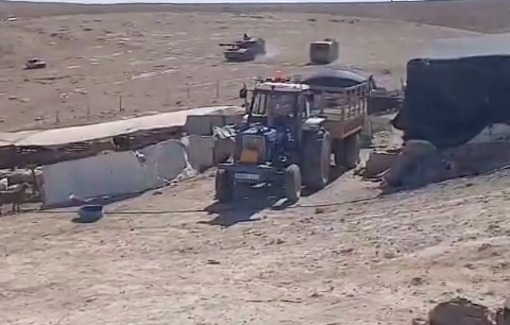
Military pressure on Masafer Yatta
West Bank, Masafer Yatta, Al-Khalil/Hebron
04 November, 2026
On November 4, Israeli armoured vehicles and military vehicles entered Masafer Yatta and drove among homes,and the so-called "fire zone" even if the nature of the incursion was not yet clear.
Explicitly reports military exercises between Palestinian homes in:
- Khirbet Jinba (خربة جنبا)
- Khirbet al-Halawa (خربة الحلاوة)
- Khirbet al-Markaz (خربة المركز)
It was not the first time that Israeli forces try to pressure these communities. On 16 September 2026, Israeli soldiers rappelled from a helicopter during an incursion into Yatta.
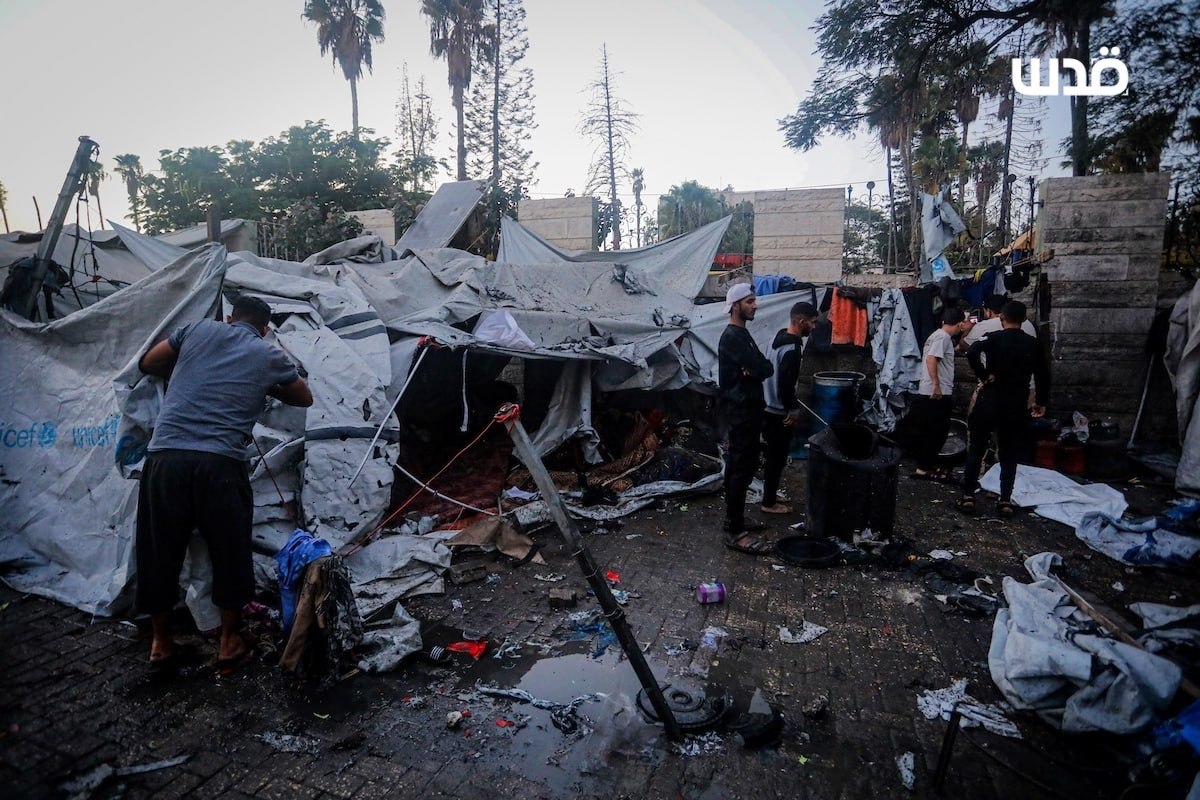
Drone kills young girl in her tent
Gaza, Gaza City
03 November, 2026
At least 1 martyred
Around 4:35 pm, an Israeli drone strike targeted a tent near the Gaza City Municipality Park, killing a young girl and destroying the family's tent.
**Name of the martyr:**
1. Rimas Ismail Al-Madhoun (17 y/o)
Israeli drone strikes police officers at university grounds in Khan Younis
Gaza, Khan Younis, Al-Mawasi, University College of Applied Sciences
03 November, 2026
At least 1 martyred
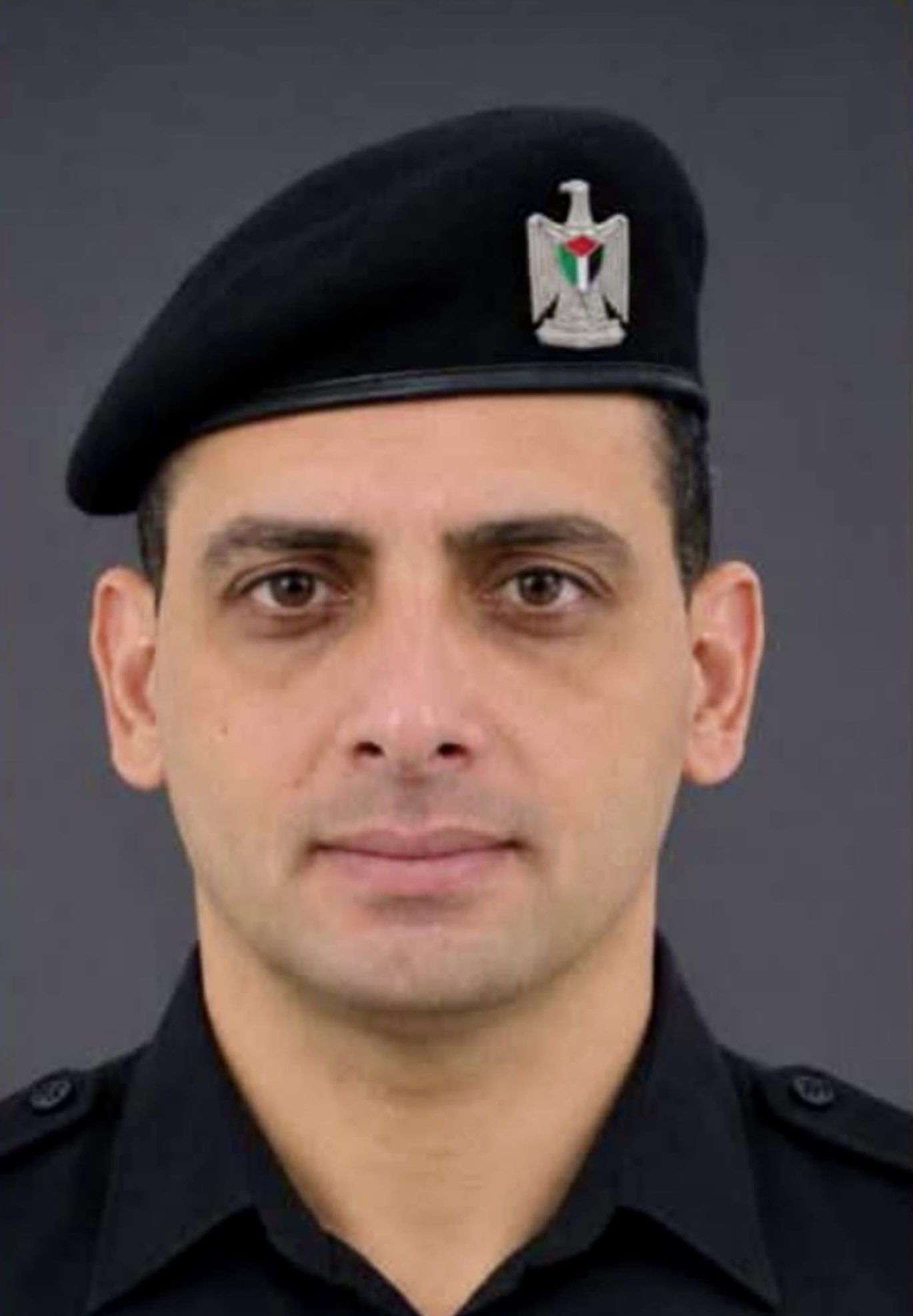
Around 11:15 am, an Israeli drone strike targeted a number of police officers and internal security service members at the University College of Applied Sciences in Mawasi Khan Younis, killing a police officer and injuring several others.
**Name of the martyr:**
1. 1st Lt. Khaled Ibrahim Muhammad Shalouf (44 y/o)
Raid on Dura
West Bank, Dura, Al-Khalil/Hebron
03 November, 2026
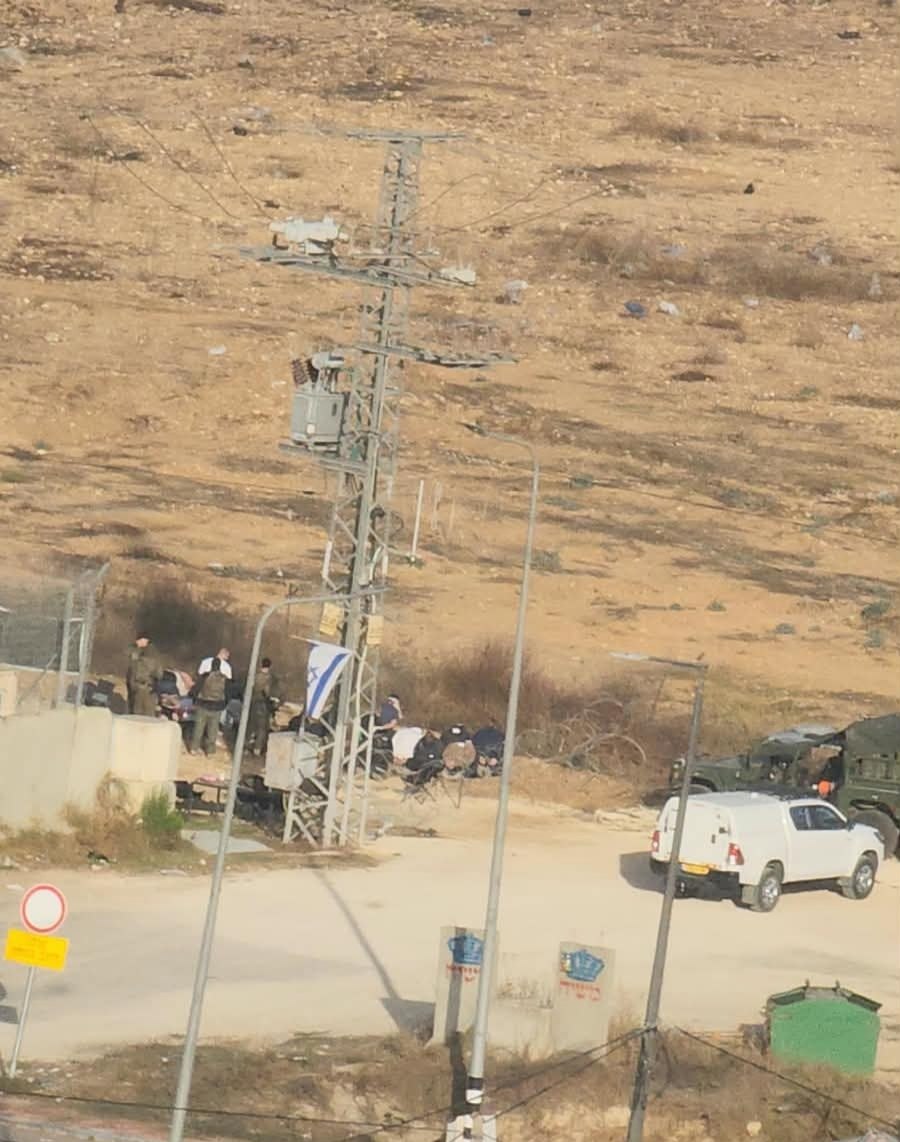
On November 4, 2026, at 01:50, Israeli forces raided Dura, southwest of Hebron, deploying military vehicles and reinforcements across several neighbourhoods and streets.
Soldiers also destroyed a memorial mural displaying photographs and names of Palestinians killed.
21 Palestinians were arrested and abused on 3 November during raids on homes in Dura, including former prisoners and a Fatah official and an Al Jazeera journalist, all of whom were freed as troops withdrew. Their belongings were searched and homes ransacked; those detained (9 of them) were taken at an army camp near the Fawwar refugee camp, south of Hebron. 1.
The 9 detainees are Muhammad Nasser Abu Zanouna, Al Jazeera journalist Montaser Nassar, Imam Youssef Nassar, Moaz Mounir Al-Haroub, Mahmoud Salim Al-Nammour, Hudhayfah Mahmoud Al-Awawda, Imad Jadallah, Musab Mounir Abu Zanoun, and Ghassan Jihad Amr.
Montaser Nassar had been reporting on the raid from his home in the town when Israeli troops seized him: He went towards the door, according to his wife’s account, but saw soldiers advancing towards the residential building where he lives before the army raided this particular house. The army entered and assaulted his wife before confiscating our colleague Montaser’s personal phone. Nassar was then taken away with other detainees at about 2:30am (00:30 GMT). Israeli forces released Nassar after holding him for several hours at an army camp near the Fawwar refugee camp, south of Hebron, Atrash reported.
Al Jazeera’s journalist Mohamad Atrash, who spoke to Nassar after his release, said he and the other detainees were “handcuffed behind their backs, blindfolded and assaulted” while being taken to the camp. There, they were assaulted again and forced into “tiring and exhausting positions” before officers from the Israeli internal security service Shin Bet arrived and threatened them.
**Context:**
The wider Hebron operation began on 23 October following a shooting that killed two Israeli soldiers. Israeli forces withdrew from the main affected neighbourhoods on 2 November, after displacing thousands of Palestinians and causing extensive damage. Arrest raids and movement restrictions continued afterwards