
Genocide .live

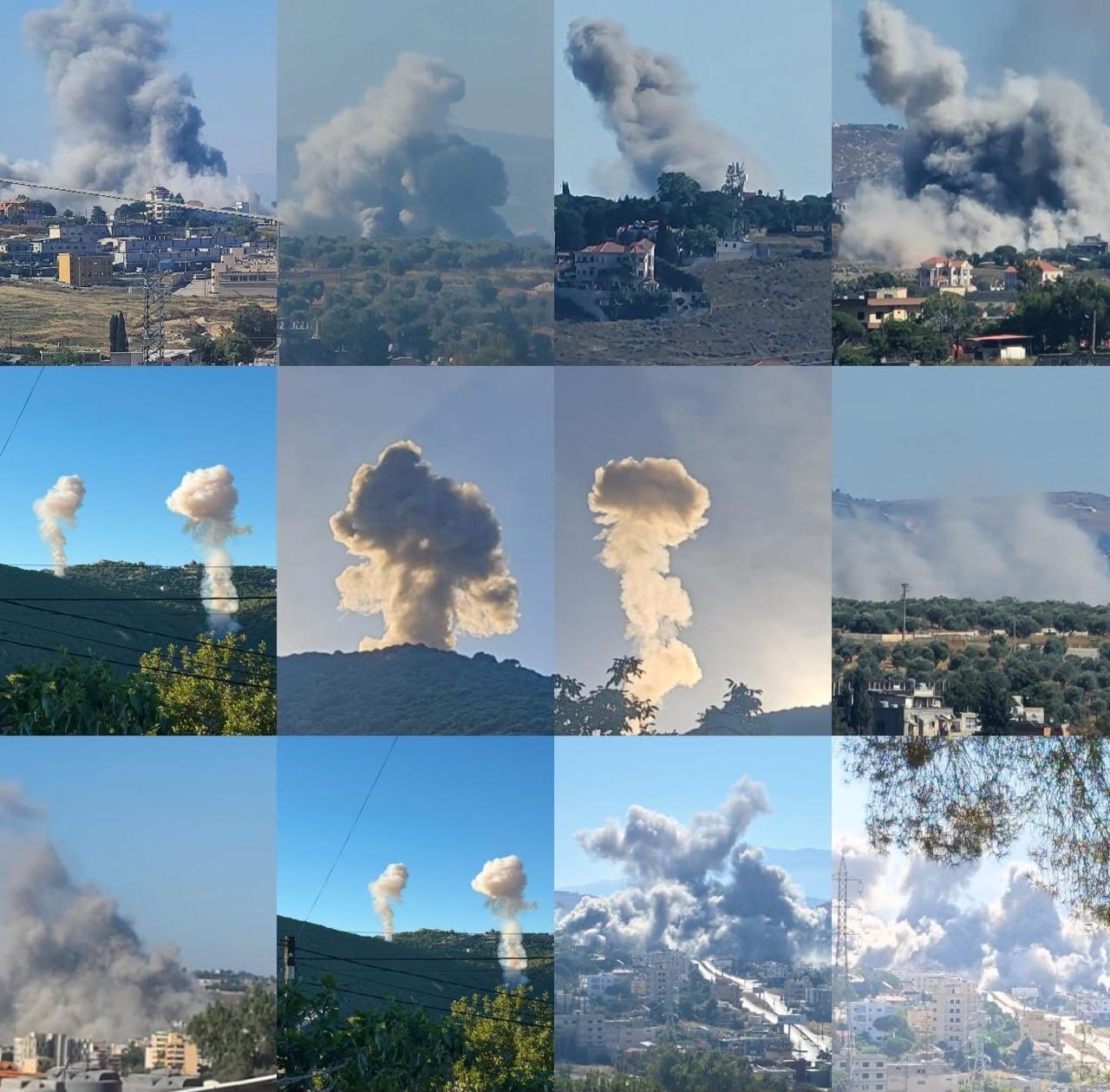
The deadliest days since the so-called ceasefire in Lebanon
Lebanon, South Lebanon
19 Jun, 2026 - 20 Jun, 2026
At least 125 martyred
Israel’s Prime Minister and Defense Minister have reportedly announced a ceasefire for the seventh time, according to Israeli media.
After each previous announcement, Israeli forces nevertheless continued carrying out attacks that killed Lebanese civilians.
More than 125 people have been killed in Israeli attacks on Lebanon since Friday morning (June 19)
On June 19, Lebanon‘s Ministry of Health announced that the death toll from intensive Israeli airstrikes carried out since midnight had risen to 47, while 97 others were injured. The Health Emergency Operations Center said the strikes hit several towns and villages across the country. The casualties included women and children. On Saturday, the ministry reported that the final toll of the Israeli attacks on Friday "reached 83 martyrs and 141 wounded", most of them in southern Lebanon in addition to the east of the country, making June 19, one of the deadliest days since March 2nd.
On Saturday morning, more than 20 Lebanese were killed when Israeli warplanes launched raids targeting the towns of Kafr Goz, Al-Numairiyah, Shukin, and Arabsalim in the Nabatieh district, and also launched a series of raids on Al-rayhan Heights in Jezzine District. Israeli artillery shelling targeted the towns of Kafr Tibnit, Kafr Rumman, Kafr Goz, Haboush, Nabatieh Al-Fawqa and Mifdoun. The bombing expanded to the east of the country, targeting the towns of Labaya and Sahmar in the Western Bekaa.
The Israeli airstrikes targeted the town of Qanarit in Sidon district resulted in a horrific massacre, after three missiles hit the cemetery area, three houses, and the vicinity of the main square in the town, resulting in more than 7 casualties and dozens of injuries.
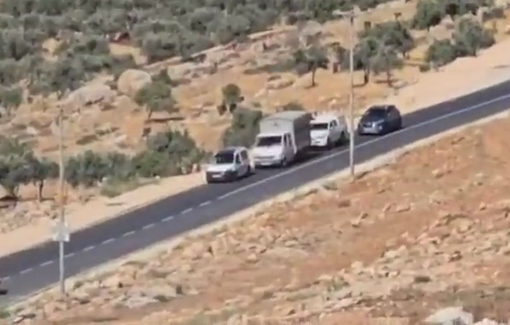
3 days of siege and raids on Al-Mughayyir
West Bank, Ramallah, Al-Mughayyir
16 Jun, 2026 - 19 Jun, 2026
**On June 16, 2026**
At 18:15, the Israeli forces set up a checkpoint at the entrance to the village of Al-Mughayir, and fired stun grenades and tear gas towards citizens’ homes east of the village.
At 18:35, the Israeli forces, in the eastern plain area of the village of Al-Mughayir, fired live and rubber-coated metal bullets, stun grenades, and tear gas towards citizens, under the pretext that they had been exposed to fireworks, which led to the injury of a 15 y/o teenager, Palestine Fadi Abu Alia, while she was on the roof of her house
During the operation, soldiers also used live ammunition, shooting a 15-year-old Palestinian girl in the shoulder. She was taken to hospital in stable condition.
**On June 17, 2026**
At 16:10, the Israeli forces set up a checkpoint at the western entrance (the only one) to the village of Al-Mughayir, to search vehicles and verify citizens’ identities.
**On June 19, 2026**
On Friday afternoon, at 12:25, Israeli forces raided Al-Mughayyir, where confrontations took place with citizens while they were on patrol.
They fired tear gas at Palestinian worshippers near the mosque, leaving several people with inhalation injuries, and sealed off the western entrance—the village’s only practical access point—preventing residents from entering or leaving.
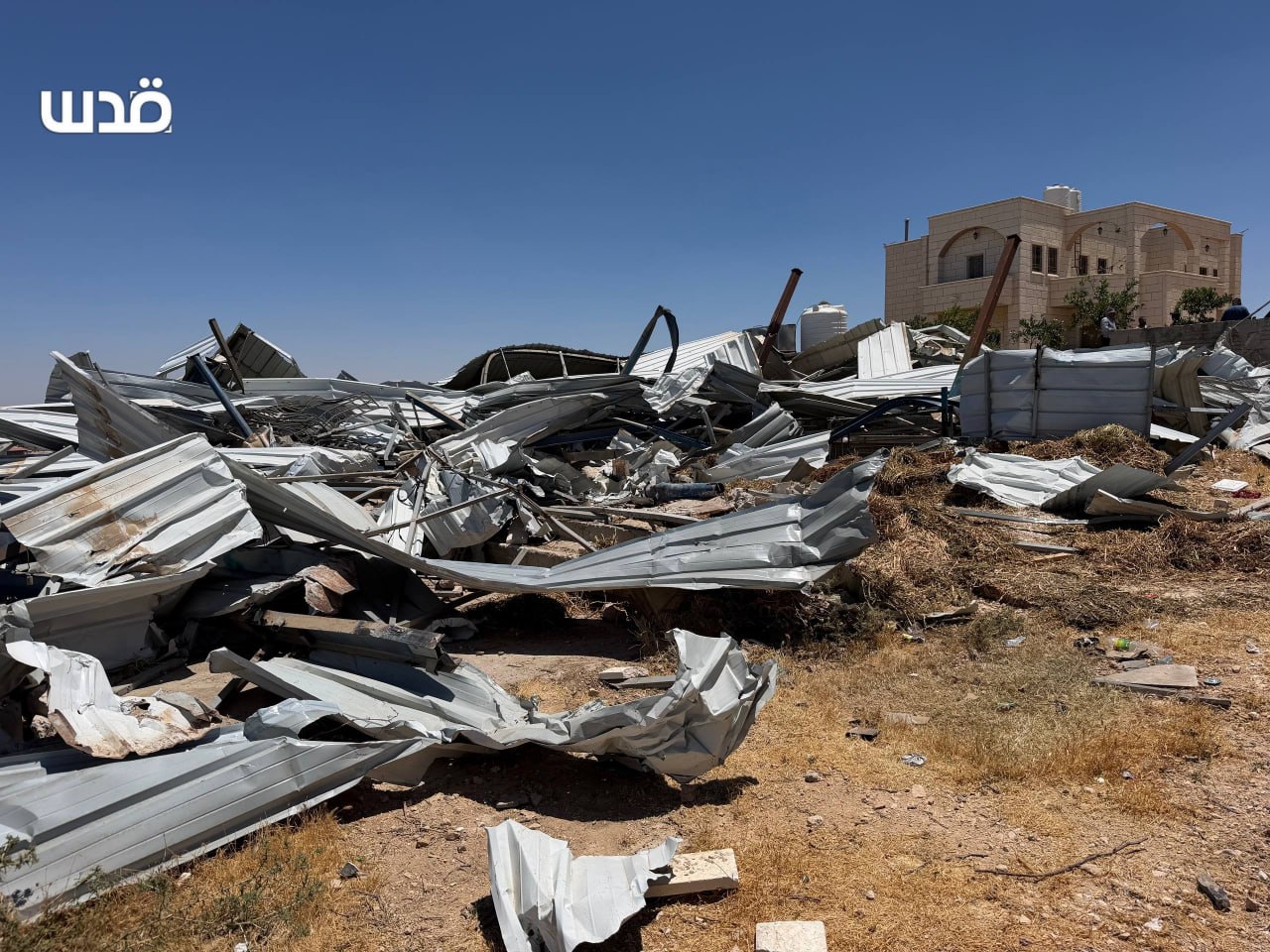
Demolition campaign of the Aghziwa area (East of Yatta)
West Bank, Yatta, Al-Khalidiya, Aghziwa area
15 June, 2026
On June 15, 2026, Israeli forces carried out demolition operations targeting residential and agricultural structures.
They raided the al-Khalidiyah area southeast of Yatta and demolished a barrack belonging to resident Khalil Rabee al-Yateem, along with two residential rooms and a bathroom used by the family. The demolitions extended to the “Aghziwa” area east of Yatta, where occupation forces destroyed barracks and structures over large areas, as well as walls and residential rooms belonging to the al-Yateem and Rabee families, causing significant damage to residents’ property.
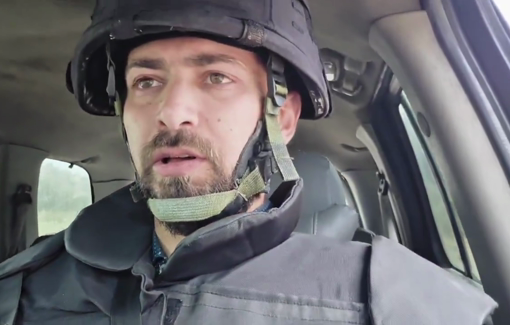
Attempted assassination of Lebanese journalist Hadi Hoteit
Lebanon, South Lebanon, Kfar Tibnit
15 June, 2026
On June 15, 2026, Hadi Hoteit, a Press TV correspondent in South Lebanon has been struck by an Israeli drone while reporting. Israeli forces deliberately targeted him in the southern Lebanese town of Kfar Tibnit, according to Lebanon’s National News Agency (NNA), despite the journalist wearing clearly marked press gear and traveling in a vehicle bearing press markings. The NNA reported that the Israeli military fired a shell that landed near the journalist. Hoteit sustained a shrapnel wound to his foot and was transported to Al-Najda Al-Shaabia Hospital in Nabatieh, where he underwent surgery and is receiving medical treatment.
The strike comes just one day after Iran and the United States finalized a memorandum of to end the war on all fronts, including in Lebanon.
**Hadi statement on X in the evening:**
"Hadi Hoteit | هادي حطيط
@HadiHtt
Israeli drones targeted me while I was clearly filming a report in an open space with all requirements (press signs on the car, vest and helmet with press signs, cellphones open and not doing anything else.
I was told that Lebanese army was blocking the road somewhere, so i went there searching for where the Lebanese army is.
I stopped at Arnoun-Yohmor-Kfartebnit roundabout because i didn't want to go further.
I got outside my car, with my cameras in the cage and my microphone with PressTV logo.
I was filming when the Israeli drones deliberately attacked where I was standing, and not my car.
Two brave men were able to come to my rescue after about 15 to 20 minutes. I was trying to get away from my car as I was expecting they might retarget it.
6 shrapnels hit my body (1 right chest, 3 right leg, 2 left leg).
I am better now.
Targeting journalists is a war crime.
I wish if any international legal side was able to benefit from this video to
Glory to the resistance, our only hope in front of those zionist criminals"
**
Journalists organizations statements:**
The Union of Journalists in Lebanon (UJL) strongly condemned the direct targeting of the journalist by Israel. *“[...] This strike comes at a time of greatest need for journalistic documentation of Israeli crimes in South Lebanon. The Union considers the attack to be part of an ongoing Israeli policy of targeting journalists who bear witness to its crimes.”*
The UJL called on the Lebanese government to take action to document Israeli crimes and to open judicial investigations into them.
IFJ General Secretary, Anthony Bellanger, added: *“We have consistently condemned the repeated threats and attacks by the Israeli army against journalists in Lebanon and Palestine, which are aimed at silencing their reporting. We stand in solidarity with our colleague, Hadi Hoteit, and wish him a swift and full recovery. The IFJ will continue to pursue justice and accountability to ensure that attacks on journalists do not go unpunished.”*
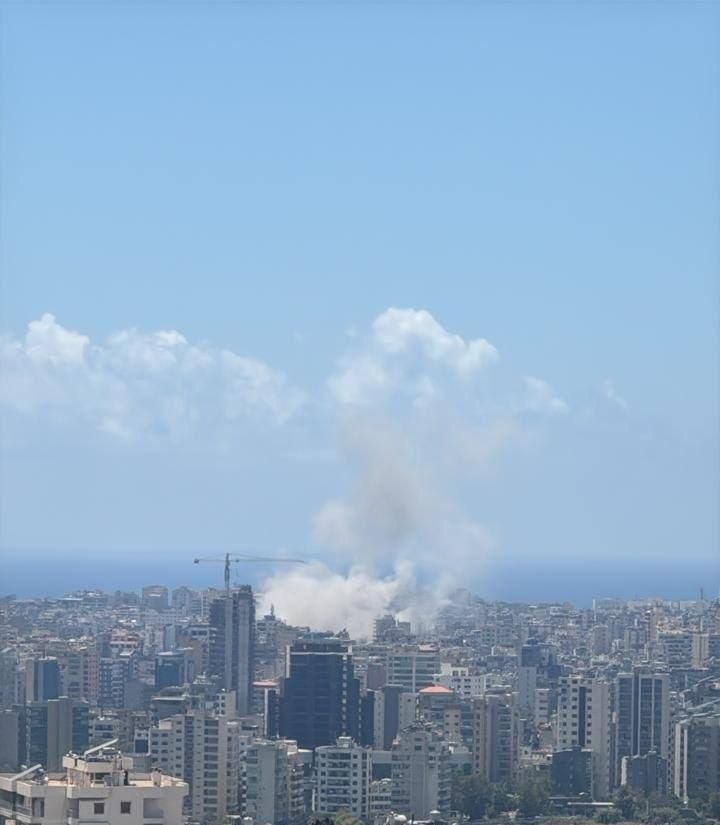
Israeli attack on Beirut Suburbs to Prevent Iran–US Peace Deal
Lebanon, Beirut, Dahieh
14 June, 2026
At least 3 martyred
At least three people were killed and six injured in Israeli airstrikes on Beirut’s southern suburbs (Dahiyeh). Israel said it targeted Hezbollah positions in response to projectiles fired toward northern Israel, which it called a ceasefire violation.
The escalation comes amid sensitive US–Iran negotiations over a possible agreement, with officials warning that continued strikes on Beirut could derail talks. Iranian officials said the attacks crossed a “red line” and would not go unanswered, while also suggesting the violence could undermine diplomatic efforts involving a memorandum of understanding between Washington and Tehran.
**The IDF spokeperson Avichay Adrae statement on X:**
The Israeli Defense Forces said they struck a Hezbollah command headquarters in Beirut that was used by Hezbollah operatives to advance “terrorist plots” against Israeli civilians and IDF forces operating in southern Lebanon.
The raid came after Hezbollah earlier today launched aerial targets toward Israel.
Hezbollah continues to advance “terrorist plots” against Israeli civilians and IDF forces.
The IDF will continue to act to remove any threat to the State of Israel and its forces, in accordance with political directives.
**Casulaties:**
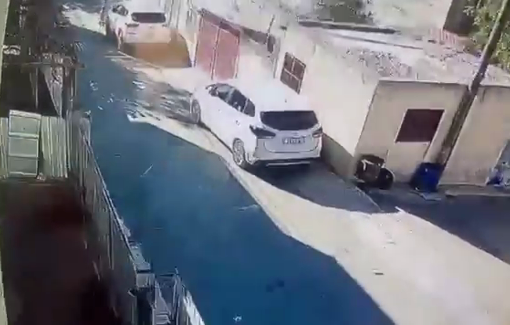
Pogrom on Jit
West Bank, Qalqilya, Jit
13 June, 2026
On June 13, 2026, around 14:50, a gang of Israeli settlers sotrmed the Al-Bayad area near Jit, set fire to farmland and four vehicles in the village of Jit, east of Qalqilya, and damaged several homes by throwing firebombs.
They set fire to approximately 4 dunams of agricultural land belonging to several families. The fire destroyed four vehicles owned by residents Yasser Saleh Abu Bakr, Taysir Saleh Abu Bakr, Mujahid Adnan Al-Tawil, and Imad Al-Faris.
The settlers also threw Molotov cocktails at several homes, causing material damage to three houses, including those belonging to residents Imad Majed Yamin and Hani Mousa Arman. They further attacked a house under construction owned by Anwar Azmi.
The group withdrew at 18:00.
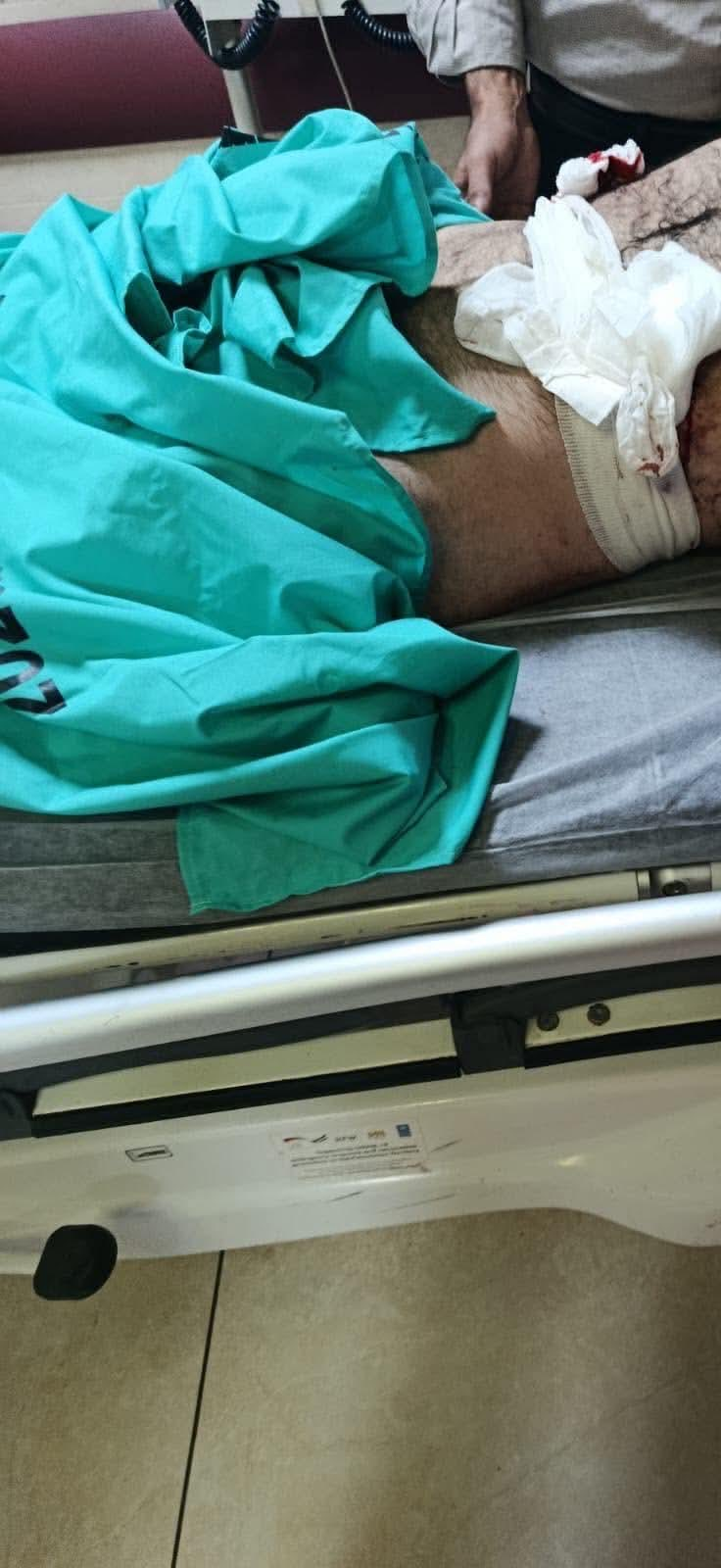
Disabled Palestinian man injured by Israeli settler gunfire in Duma
West Bank, Nablus, Duma
13 June, 2026
On June 13, 2026, a 29-year-old Palestinian man diagnosed with a mental disorder was shot by Jewish settlers at a settlement outpost near the village of Duma, south of Nablus in the occupied West Bank.
Haaretz, citing an Israeli defense official, reported that the owner of a nearby Israeli settlement farm and another individual fired warning shots after the man allegedly approached the outpost. When he did not turn back, they opened fire, wounding him.
The Palestinian Red Crescent Society said Israeli forces prevented its ambulance crews from reaching the wounded man for more than an hour. During that time, according to Duma council head Suleiman Dawabsha, Israeli soldiers handcuffed the man's hands and feet and kept him in custody, blocking medical teams from providing first aid.
After the delay, Palestinian medics were finally allowed to evacuate him to a hospital in Nablus. Medical officials said he was in moderate-to-severe condition, having sustained gunshot wounds to the abdomen, left foot, and right leg. Dawabsha confirmed that the man has a mental disability and said his condition was stable.
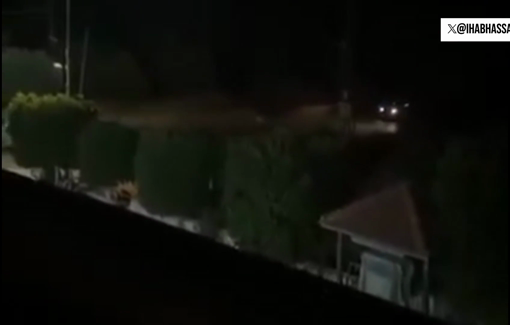
Arson of the agricultural lands of Taybeh
West Bank, Ramallah, Al-Taybeh
09 June, 2026
On June 9, 2026, at the end of the evening, gangs of Israeli settlers set fire to agricultural land on a hillside at the outskirts of the Palestinian Christian village of Taybeh, east of Ramallah in the central occupied West Bank.
These groups approached the area from nearby outposts and ignited dry fields and olive‑growing terrain, causing visible flames and smoke before residents were able to reach the site.
No injuries were reported, but villagers said the attack created fear among families living on the eastern edge of Taybeh and damaged agricultural land relied upon by local farmers.
**Broader context:**
The attack comes amid a documented surge in colonizer violence across the Ramallah district, particularly in the eastern rural corridor stretching from Deir Jarir and Al‑Mughayyir to Kafr Malik, Ras al‑Teen, Wadi al‑Seeq, and the Bedouin communities east of Taybeh. Settlers have repeatedly attempted to seize hilltops, block access roads, intimidate shepherds, and burn farmland in an effort to expand outposts and pressure Palestinian communities to abandon their land.
**Timeline of the incidents:**
At 09:00, the occupation forces set up a checkpoint near the entrance to the town of Taybeh, and the checkpoint was repeatedly set up at 14:00 to search vehicles and verify citizens’ identities.
At 11:20, the occupation forces stormed the town of Taybeh and conducted a patrol.
At 20:35, a group of settlers on the eastern side of the town of Taybeh set fire to citizens’ agricultural lands, and also opened fire randomly at citizens, while they were trying to go to put out the fire.
4. At 21:10, a group of settlers entered the Jabas area, east of the town of Taybeh, beat the citizen: Rami Yaqoub Kuna, and stole his (cell phone).
**According to some [testimonies](https://x.com/SOSCdOrient/status/2065012750703640640?s=20)**, Palestinian firefighters dispatched to the scene were unable to access the site because they lacked the necessary security coordination permits. This delay allowed the fire to spread, threatening agricultural land and nearby properties. “Faced with the urgency of the situation, several young people from the town took the initiative to bring in a water tanker truck in order to contain the fire. Instead of being allowed to provide assistance, they were surrounded and prevented from intervening by settlers. The situation then quickly deteriorated when another group of young people was targeted. Several people were physically assaulted, two vehicles were damaged, and a mobile phone was stolen,” explained Father Bashar Fawadleh, the Latin parish priest of Taybeh.
According to Souleiman Khoury, mayor of Taybeh, residents heard gunfire near the affected area, which prevented them from reaching the site to try to contain the blaze. The fire was ultimately brought under control only after the required coordination procedures had been completed. The arrival of the Israeli police and army also helped prevent the fire from spreading further and led to the departure of the attackers. “What we are experiencing today is not a matter of isolated incidents. Residents speak of an increase in settler attacks in recent days, carried out using quad bikes and off-road vehicles. These patrols now reach, with complete impunity, the center of the village, residential neighborhoods, and the main roads.
On June 2, a group of settlers was spotted in the northeastern area near Orthodox Housing Road, where they reportedly blocked access routes and interrupted the construction of a new house. On June 3, at around 9:45 a.m., they were again seen driving through several parts of the town, including the main thoroughfare, all the way to the vicinity of Saint George’s Church.
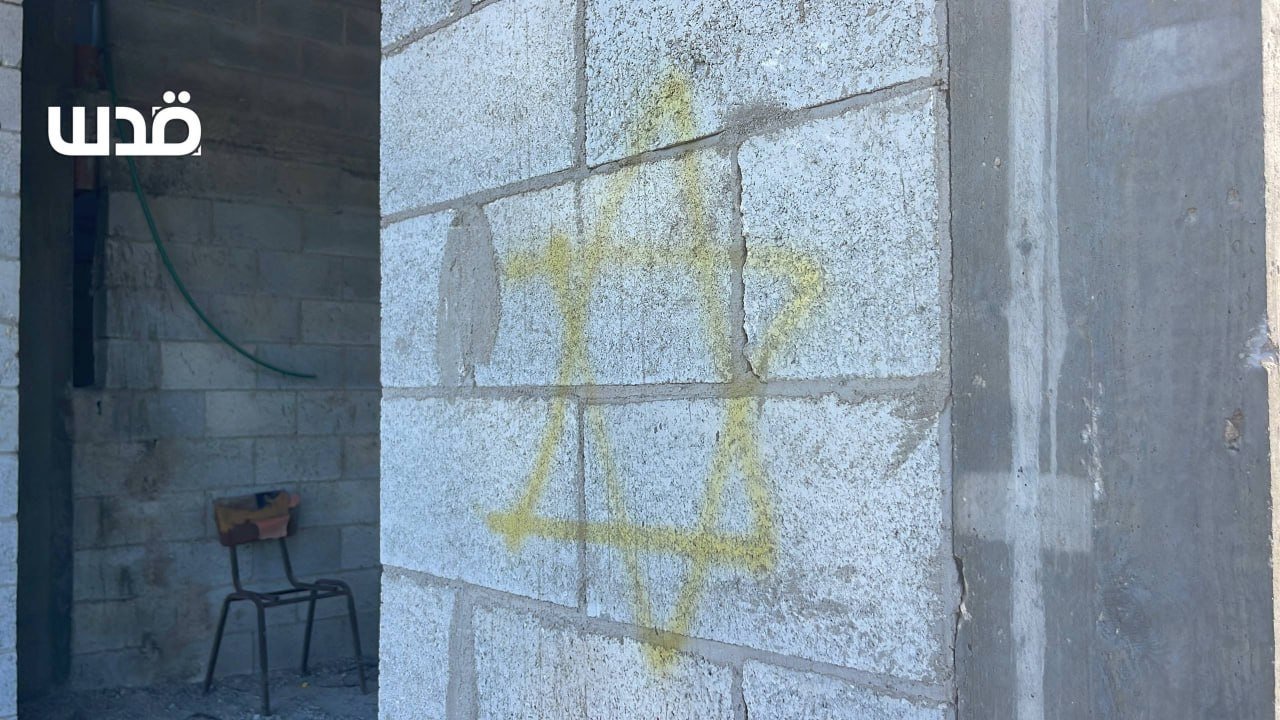
Settler attacks in Beit Imrin
West Bank, Nablus, Beit Imrin
08 June, 2026
**On June 9, 2026:**
Around 01:30, a group of settlers attacked the outskirts of the village of Beit Imrin, set fire to a vehicle owned by the citizen, Bilal Yaqoub Abdo, a Volkswagen Passat, before residents managed to extinguish the fire. Residents confronted the attackers, preventing further damage after settlers allegedly tried to target additional homes and vehicles before withdrawing at 02:00.
Pogrom in Huwara, Nablus
West Bank, Nablus, Huwara
06 June, 2026
On 6 June 2026, around 9:00, dozen of masked settlers, armed with baton and small arms, invaded the town of Huwara, near Nablus. They arrived in pickup trucks and carried out widespread violence, including beating residents, throwing stones at homes and buildings, damaging vehicles, and setting fire to an auto repair shop. They also stole property, including a car, a bicycle, and around 35 sheep. Video footage showed masked assailants attacking property, while some appeared to wear religious garments.
**Timeline:**
At 09:00, a group of settlers stormed the Al-Harayek area near the town of Huwwara, raided a number of homes, under the pretext of searching for missing sheep from them, and stole a number of sheep heads belonging to the two citizens: Youssef Abdullah Ahmed Odeh and Saeed Masoud Khamous, and also attacked a number of Citizens and opened fire randomly at them, wounding 7 citizens (one of whom was shot) and they were subsequently transferred to the hospital and medical centers for treatment.
At 1:00 p.m., a group of settlers entered the outskirts of the town of Huwwara and stole a vehicle belonging to the citizen: Amjad Mahmoud Jabr Hamad - member of the Ainabous Village Council, in front of a vehicle maintenance shop
At 13:10, a group of settlers near the "Yitzhar" settlement roundabout, north of the town of Huwwara, set fire to vehicles owned by the citizen: Sultan Saris.
At 18:50, the occupation forces stormed the village of Madama, where confrontations took place with citizens, and also detained a number of Palestinian residents, and later released them after conducting a field investigation with them. During their storming of the village of Madama, the occupation forces fired stun grenades and tear gas towards citizens, under the pretext that they had been stoned.
**Incidents:**
An Israeli soldier was also filmed alongside settlers beating Palestinian men, repeatedly punching one of them. The Israeli military acknowledged the footage, calling the conduct serious and inconsistent with its values, and said it had launched an investigation and disciplinary proceedings.
According to the IDF, forces were deployed to the area following reports of suspected livestock theft, and later clashes broke out involving stone-throwing and the use of clubs. Riot dispersal means were used, and no arrests were reported. Israeli police also opened an investigation about the soldier filmed as he was beating a man on the ground, and claimed thay collected evidence at the scene.
The Palestinian Ministry of Foreign Affairs and Expatriates condemned the settler attack in Huwara. The ministry described the violence as part of an organized policy of settler attacks carried out under Israeli military protection, aimed at intimidating Palestinians and forcing displacement. It accused Israel of enabling impunity for such acts and warned of a broader strategy of territorial control and displacement. It called on the international community to intervene, impose sanctions, boycott settlement-related entities, and enforce international law to stop settler violence and hold those responsible accountable.
**Casualties:**
Nine Palestinians were wounded. Injuries included a local councilman hit by shrapnel in the leg, four people beaten, and four others affected by tear gas, with at least one person suffering head wounds. Here is the list of 7 injured as a result of a settler attack in the Al-Harayek area near the town of Huwwara: Ibrahim Jasser Odeh, Hassan Abdullah Assi, Hossam Muhammad Dhamidi, Saeed Odeh, Zakaria Radi Dhamidi, Abdul Rahim Hafez Aqili, and Saed Hamdan
**According to the Israeli journalist Matan Galan:**
"Dozens of masked settlers attacked four different villages near Yitzhar starting at 11:00 a.m., throwing stones, setting property on fire, attacking residents, and stealing livestock herds.
According to a [Israeli]security source, the incident began after settlers reported that an Israeli livestock herd had been stolen. According to Palestinian residents’ testimonies, settlers raided several villages simultaneously for a prolonged period without intervention by security forces. According to the Red Crescent, eight Palestinians were injured, most from tear gas inhalation and rubber bullets after IDF forces arrived at the scene. The IDF said around 1:00 p.m. that forces were deployed to the locations and are working to disperse the clashes. In practice—this is what dispersal looks like at one of the sites.
In the village of Huwara, dozens of masked settlers were documented throwing stones, damaging property, attacking inhabited buildings, and stealing livestock. In another recording, a young Palestinian is seen bleeding from the head while settlers are nearby; it appears that he was attacked in the same incident alongside an IDF soldier. Testimonies indicate that the young man was struck in the head with an iron bar and was evacuated for medical treatment, with his condition described as serious according to medical sources.
In another recording, settlers are seen in the village of Einabus and, according to local reports, they threw stones and attacked a residential home. In Asira al-Qibliya, settlers were documented, some in Sabbath shirts and others masked in black clothing, holding batons.
Another recording shows a large group raiding quarries between Asira al-Qibliya and the village of Urif.
This week, the IDF decided to dismiss the security coordinator (Rashatz) of the Yitzhar settlement after armed settlers prevented a Palestinian harvest, even though it had been coordinated with the Civil Administration. In Palestinian footage from the scene, armed settlers were seen blocking the main road and pointing weapons at Palestinian vehicles. The IDF said the coordinator was dismissed “due to repeated incidents of exceeding authority and repeated warnings on the matter.”
Since then, over several days there has been an increase in incidents in the area, including arson attacks near Palestinian villages, peaking on Saturday morning."