
Genocide .live

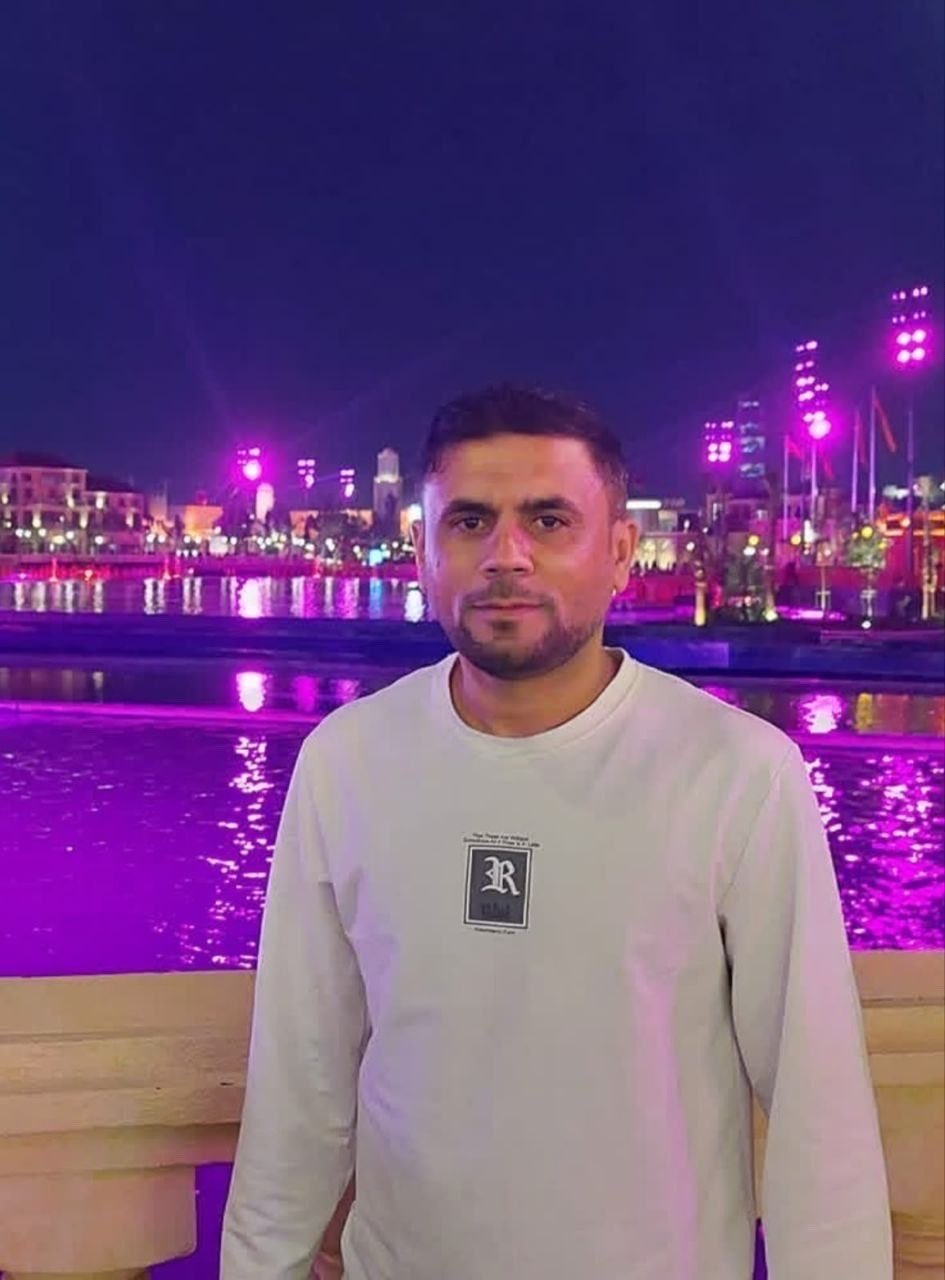
Police Lieutenant killed in his tent
Gaza, Khan Younis, Al-Mawasi
01 October, 2026
At least 1 martyred
Around 9:30 pm, an Israeli airstrike targeted a tent at Al-Iqlimi junction in Mawasi Khan Younis, killing a police officer.
The mukhtar (head of the family) Hajj Muhammad Al-Hamayda stated that Tamer Al-Hamayda was a traffic policeman and that his murder leaves behind 12 people who were dependent on him.
**Name of the martyr:**
1. Lt. Tamer Mahmoud Al-Hamayda (42 y/o)
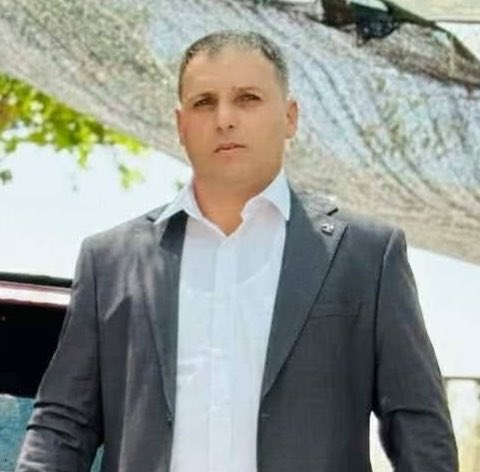
Murder of Mashhur Shaher Mohammed Yassin, 51, during a settler attack
West Bank, Salfit, Yasuf
01 October, 2026
At least 1 martyred
On October 1, 2026, Mashhour Shaher Muhammad Yassin died of his injuries during an attack launched by colonists from the "Hafat Antoun" colony on the Al-Nasba area, east of the town of Yasuf.
The incident took place in al-Nasba (النصبة), on the eastern/northeastern edge of Yasuf, around 13:00 on Thursday, 1 October.
According to the investigation of the Palestinian Human Rights Center (PHRC), a large group of settlers came from the newly established Havat Anton (חוות אנטון / حفات أنطون) outpost, attacked Palestinian homes and, according to PCHR's field investigation, some were armed with M16 rifles. The outpost is only about 50 metres from the Palestinian homes in al-Nasba.
Settlers from Havat Anton entered/attacked the al-Nasba area."
The settlers arrived on agricultural tractors and on foot and attacked villagers’ homes with stones, prompting dozens of families to gather in the area to prevent the attacks from continuing. The villagers confronted the settlers with stones, including one of the owner of the houses and his nephew, who were defending their home. Suddenly, one of the settlers opened fire, wounding Mashhour Shaher Mohammed Theeb (51) in the left thigh, and his nephew, Shaher ‘Abdeen Mohammed Theeb (25) with shrapnel wounds to the back."
Later, Israeli military vehicles carrying IOF arrived in the area and fired tear gas canisters, stun grenades and live ammunition to disperse the residents, protect the settlers, and facilitate their safe withdrawal to the settlement outpost.
Israeli forces also stopped an Al-Zaytouna ambulance, took its key and threw it away, preventing the medical crew from functioning normally.
Two other citizens, were wounded, one in the abdomen and the other with shrapnel in the flank.
The injured men were taken in civilian cars to Yasser ‘Arafat Hospital in Salfit, where doctors in the emergency department pronounced Mashhour Shaher Mohammed Theeb (51) dead after a gunshot wound to his left thigh severed the main artery.
Director of Salfit Governmental Hospital, Mohammed Al-Ramahi, confirmed his death as a result of his injuries.
Yasuf municipal council head Jumaa Abdel Fattah told Wafa that the settlers attacked residents' homes under the protection of Israeli forces.
**Casulaties:**
Mashhour Shaher Yassin, 51, was shot and subsequently died at Salfit Governmental Hospital. He was buried in Yasuf on the evening of 1 Octobe
A second Palestinian was wounded by live-fire/shrapnel.
**Perpetrators:**
WAFA and AFP/Israeli media identify the shooter as a settler.
The Palestinian Health Ministry states Thursday that a 51-year-old Palestinian man was shot and killed by Israeli settlers in the West Bank town of Yasuf, east of Salfit.
**Israeli media version**
Settler WhatsApp groups circulated a different account of the incident. According to the account, Palestinians from Yasuf posing as olive pickers attacked a group of Jewish hikers who were bathing in a water pit between the West Bank settlements of Tapuah and Rehelim. The settlers claimed the Palestinians threw stones at the hikers and tried to drag a 14-year-old boy into the crowd. Israeli emergency services said the minor was lightly wounded. They also said soldiers who arrived at the scene fired at the attackers and that at least one Jewish person was wounded. The claims could not immediately be independently verified, and the IDF had not responded to Haaretz's request for comment.
**Name of he martyr:**
Mashhur Shaher Mohammed Yassin, 51
Pogrom and arson in Al-Mughayyir
West Bank, Ramallah, Al-Mughayyir
29 September, 2026
On September 29, 2026, around 03:20, a group of settlers attacked the village of Al-Mughair, attacked the home of citizen Fikri Abu Alia, and set fire to three vehicles owned by citizens Jihad Eid Al-Naasan, Fikri Musa Abu Alia, and Yousry Musa Abu Alia. They also set fire to a tent owned by citizen Musa Muhammad Hamdan Abu Alia.
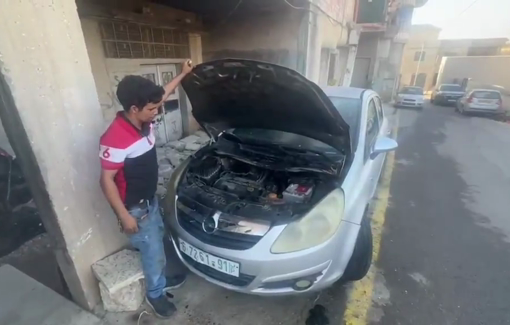
Pogrom in Rantis
West Bank, Ramallah, Rantis
25 September, 2026
On September 25, 2026, around 3 a.m. Israeli settlers invading Rantis (رنتيس), west of Ramallah, and set fire to three Palestinian vehicles, partially burning them.
They sprayed racist/hostile slogans on the walls of several Palestinian homes.
Residents confronted them and forced them to leave.
Images circulated the following day reportedly show settlers setting a vehicle and a house on fire during the attack.
Ethnic cleansing of the Khirbet Jenbah community (Masafer)
West Bank, Masafer Yatta, Al-Khalil/Hebron, Jinba
23 September, 2026
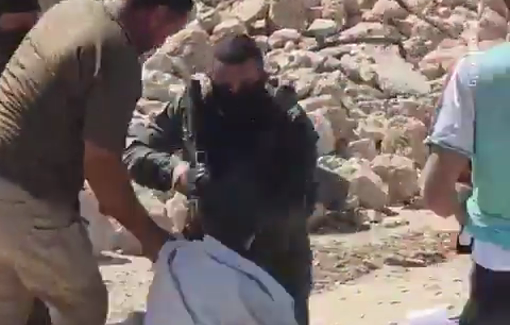
On September 23, 2026, around 9 a.m., Israeli Civil Administration personnel, accompanied by military and police forces with heavy machinery, arrived at the Palestinian community of Khirbet Jenbah in the South Hebron Hills, home to about 300 people, and demolished dozens of structures. In total, forces demolished 24 residential structures, 16 agricultural structures, 16 solar panels and 14 water tanks, and arrested one resident. About 180 people, including some 85 children, were left homeless. This is Israel’s third broad demolition in Palestinian communities in Masafer Yatta in three weeks (on 2 September, Khirbet a-Taban, on 8 September, Khirbet al-Fakhit).
The destroyed structures belong to citizens from the Muhammad, Rab'i, Amour, Abu Aram and Jabarin families.
*“Our homes were torn down today, wiped from the face of the earth,”* one resident of Jinba told UN Human Rights – OPT, *“This isn’t the demolition of rocks, this is the destruction of years of hard work and memories.”*
**Broader context:**
Khirbet Jenbah, Khirbet a-Taban and Khirbet al-Fakhit are three of 12 Palestinian communities, home to about 1,200 people, in an area of the southern West Bank Israel declared “Firing Zone 918.” The firing-zone designation, together with a planning system that prevents almost all Palestinian construction, serves Israel to advance demolitions and expel these communities from their land. Meanwhile, there are 10 outposts within the designated firing zone.
The demolitions in Masafer Yatta are part of the Elimination Project Israel is carrying out across the West Bank. Since October 2023, Israel has expelled 65 Palestinian communities from their land and partially displaced another 18. The demolitions and expulsions are part of a mechanism of ethnic cleansing and territorial takeover used to dismantle the conditions enabling Palestinians to continue living on their land, while clearing the way for expanding Jewish-Israeli presence and control.
**Statement of the Head of UN Human Rights – OPT.**
Israeli demolitions of Palestinian homes and infrastructure have so far displaced 1,500 people in the occupied West Bank in 2026 according to OCHA — over a third of all 4,300 forcibly displaced Palestinians this year.
“The forcible transfer of a civilian population from their land by an occupying power is a war crime. The case of Msafer Yatta also raises serious concerns of deepening Israel’s violation of international law’s prohibition of racial segregation and apartheid,” said Ajith Sunghay, the Head of UN Human Rights – OPT.
Police officer killed in Khan Younis
Khan Younis, Gaza
21 September, 2026
At least 1 martyred
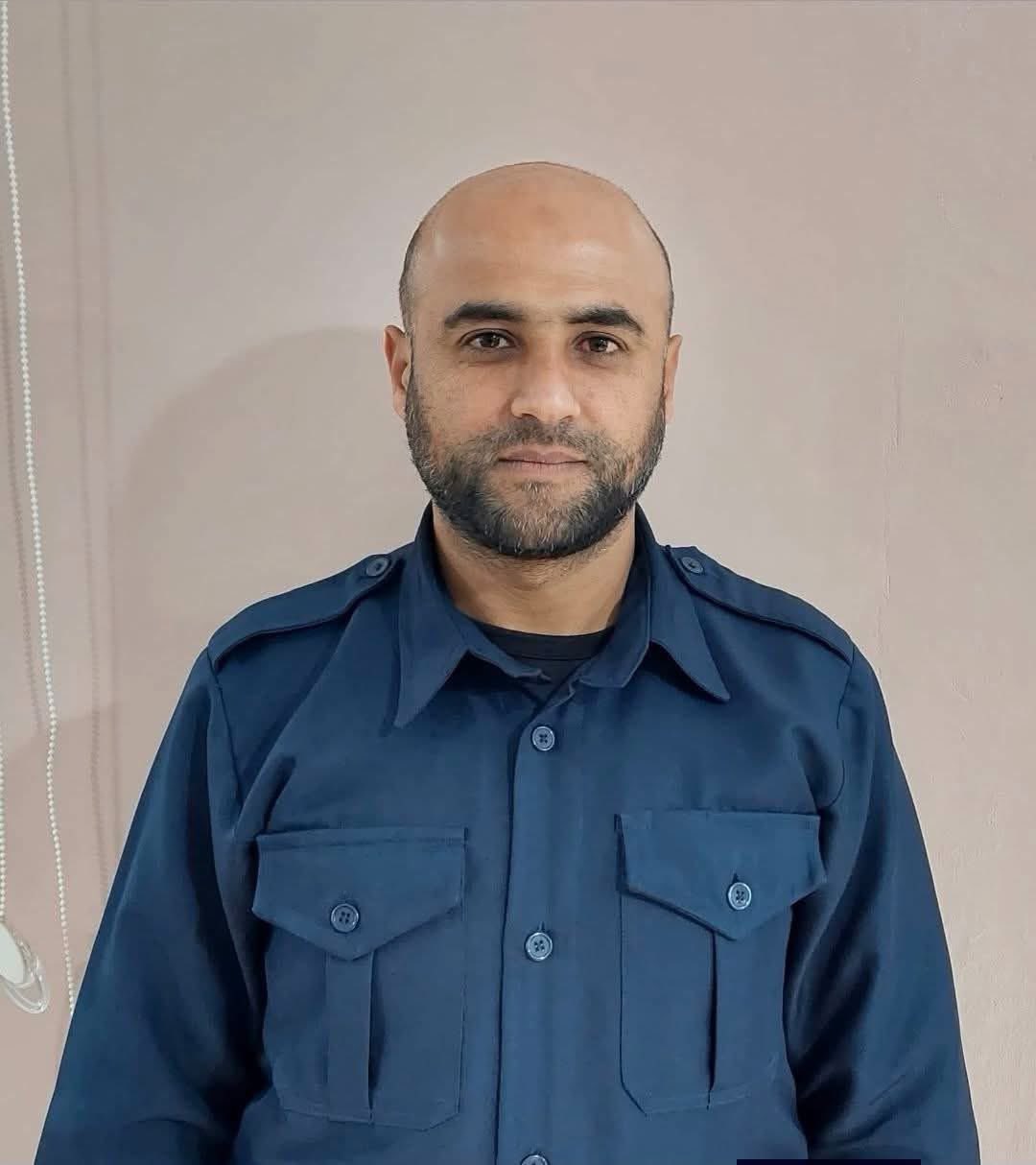
Around 3 pm, an Israeli airstrike targeted .... in Al-Sikka area, central Khna Younis, killing at least one man.
**Name of the martyr:**
1. Lt. Musa Abu Marouf "Abu Muhannad"
Massacre of livestock by artillery in Syria
Syria, Daraa, Abdin
21 September, 2026
At least 9 martyred
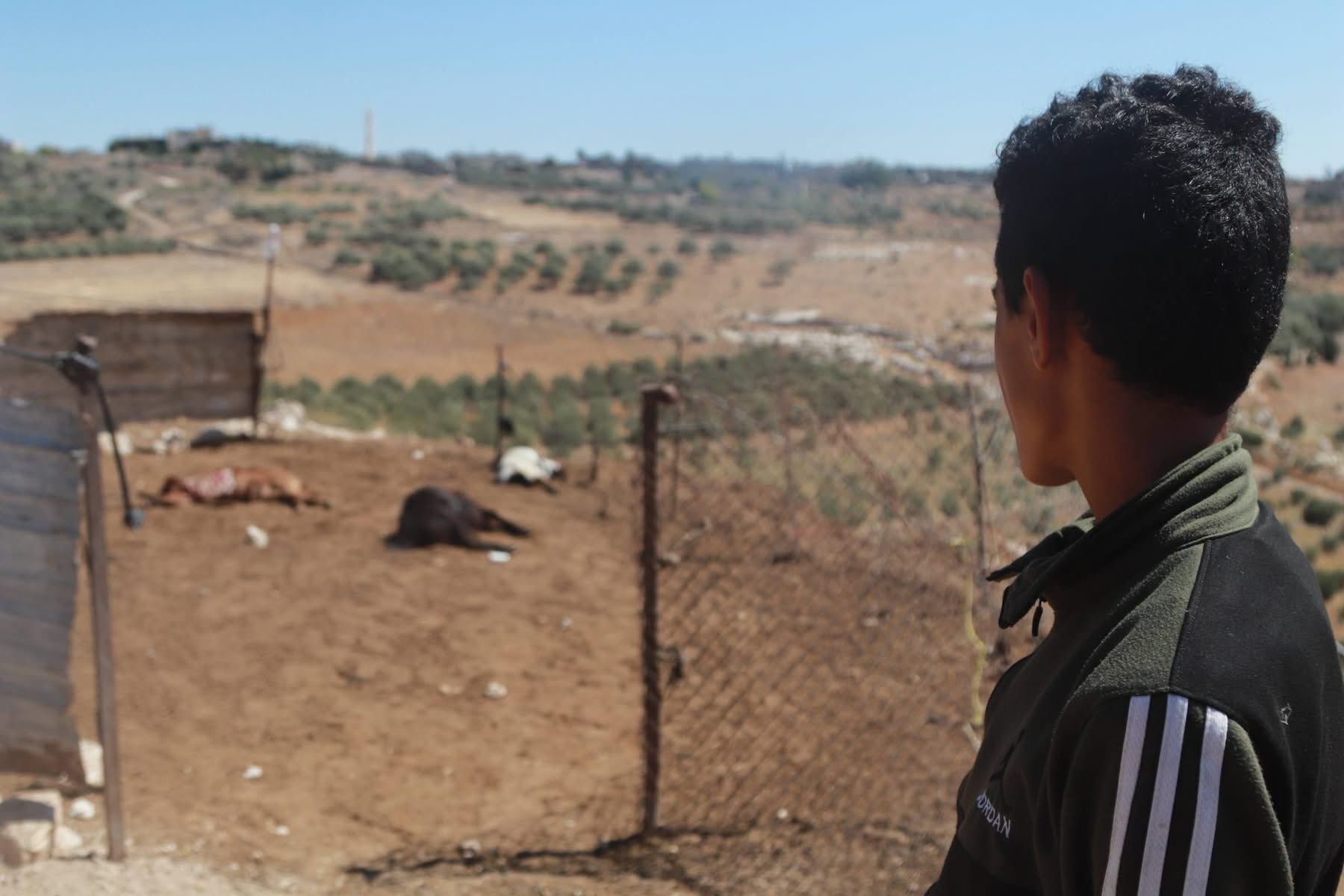
Early morning, Israeli artillery struck the outskirts of the village of Abideen, in the Western Daraa countryside in Syria, killing between 9 and 15 goats belonging to the community and one of their main sources of income.
Remnants of Israeli mortar and ullimation shells were found on the massacre site.
According to a villager, the assault occured between 3am to 4am when Israeli occupaiton forces launched illumination flares on the village then proceeded to shell and kill at least 9 goats. The villager and journalists added that Israeli troops pass by the villages in the area frequently–at least every 6 days–restricting the villagers ability to access their farmlands.
Woman and child shot
Gaza, Deir al-Balah, Salah al-Din Road
21 September, 2026
At least 1 martyred
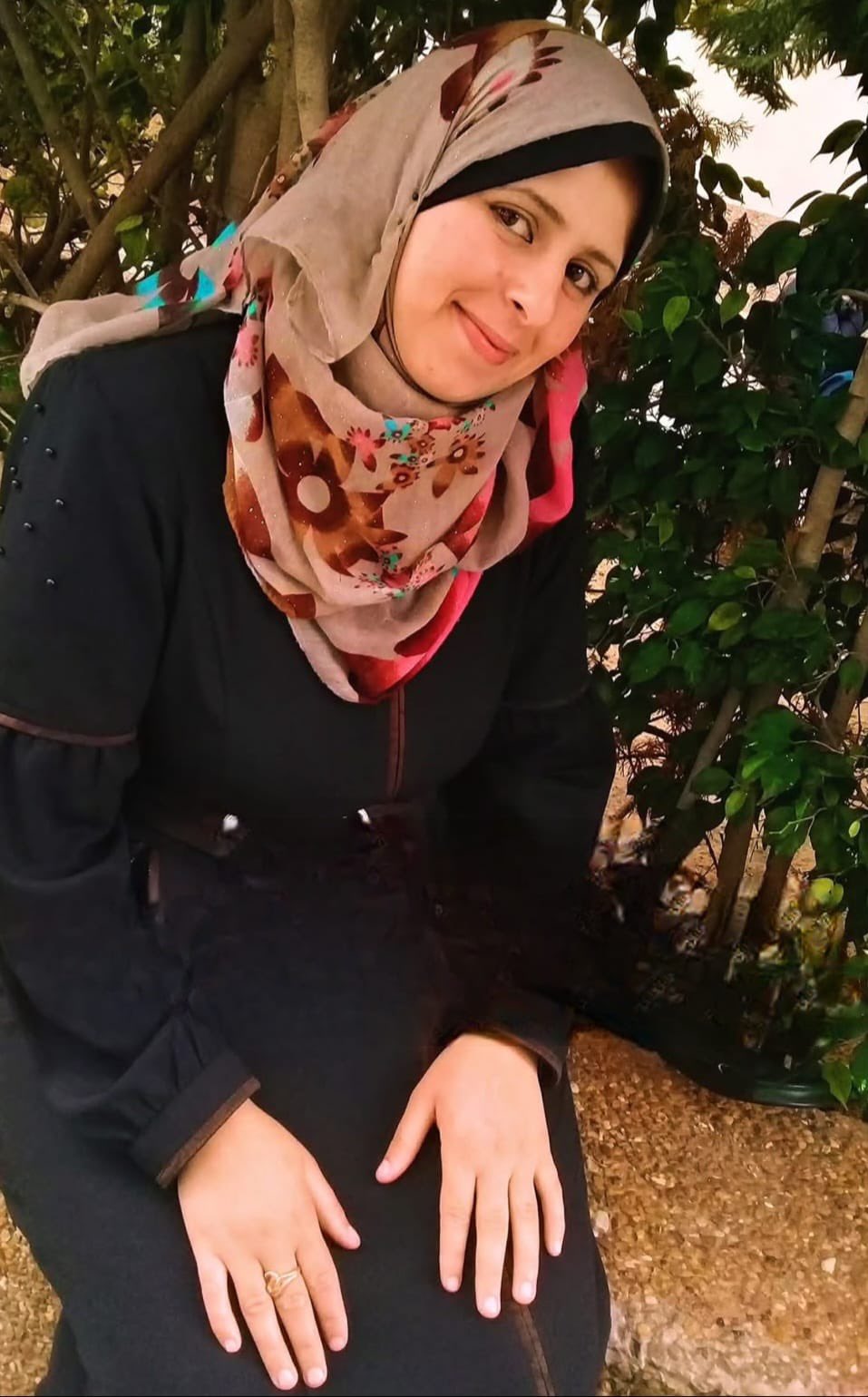
Around 7 am, Israeli gunfire injured one woman and a child near the Abu Madyan police station on Salah al-Din Street betzeen Al-Maghazi and Bureij camps in central Gaza. The woman succumbed to her headshot injuries shortly after.
**Name of the martyr:**
1. Fidaa Khadr Totah (31 y/o)
Child killed in Mawasi Rafah
Gaza, Rafah, Al-Mawasi
21 September, 2026
At least 1 martyred
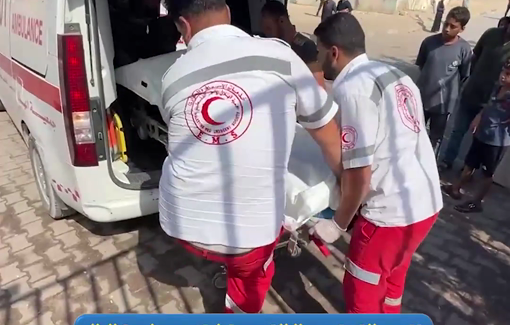
Around 10 am, Israeli forces shot and killed a child while he was fishing in Mawasi Rafah.
**Name of the martyr:**
1. Ismail Khalil Al-Bardawil
Attack on the olive harvest (2026)
West Bank
20 September, 2026
At least 3 martyred
For 2026, the olive harvest in the occupied West Bank is taking place in a particularly restrictive and violent context. Even if the harvest has not yet fully begun as of 30 September 2026, some incidents and obsruction from the settlers and/or the soldiers were already reported. The Palestinian Ministry of Agriculture set 15 October as the start date for harvesting the main Nabali Baladi variety, with some other varieties beginning on 5 November. Pickling olives could be harvested from 20 September. The ministry estimates approximately 21,000 tonnes of olive oil for the 2026 season.
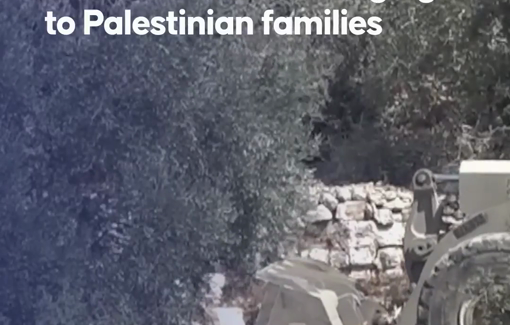
The 2026 season follows extensive destruction of olive trees. In September, Israeli military bulldozers uprooted large olive groves near Deir Nizam, north-west of Ramallah, shortly before the harvest. Reuters reported that approximately 9 acres of olive trees belonging to several Palestinian farmers were destroyed. The Palestinian Ministry of Agriculture documented, for example, the uprooting of around 500 olive trees over 26 dunams near Jalbun and Faqqu'a in March. Thousands of trees were uprooted or cut by settlers or soldiers during the past year.
Access to olive groves is already being restricted. On 29 September, for example, Palestinian farmers from Deir Istiya, west of Salfit, were prevented from reaching their olive groves by settlers. The report says the settlers were accompanied/protected by Israeli occupation forces.
Settler attacks are a major concern for the harvest. The Palestinian Ministry of Agriculture launched its 2026 campaign specifically around protecting farmers and their land, with particular attention to “hotspots,” areas near settlements and land behind the Separation Wall.
This is happening against a background of increasing settler attacks in 2026. A lot of incidents of settlers stealing the olive at the end of September in the Palestinian agricultural land were observed.
Access restrictions are structural: OCHA reports that Palestinian farmers whose land is near settlements or between the Barrier and the Green Line may require permits or prior coordination with the Israeli military. In April 2026, OCHA reported that 98 Palestinian communities in nine governorates were required to use prior-coordination arrangements to access farmland near settlements
On September 29, an Israeli Knesset committee, chaired by MK Tzvika Foghel, discussed security preparations for the olive harvest after MK Limor Sonn Har Melech claimed Palestinians and left-wing activists exploit the harvest to gather intelligence and attack settlers. Elisha Yered made similar allegations.
MK Gilad Kariv countered that 130 cases of harm to Palestinian farmers had been documented, including preventing access to their land, and criticized the lack of an effective real-time response to Palestinian reports of settler violence. Avi Dabush of Rabbis for Human Rights also reported violence against Palestinian farmers and volunteers.
Police, Civil Administration and military representatives said forces would be deployed at friction points, with intelligence monitoring and 24-hour coordination. Committee chair Foghel called for early preventive action and said a closed hearing with Shin Bet representatives would follow.
**Timeline of the main events:**
28 Sept — Beita, Nablus: settlers entered Palestinian land and stole an unspecified quantity of harvested olives. Similar thefts were reported in Khirbet Masoud, Sinjil, Turmus Ayya and Umm Safa. In Deir Abu Mash'al, a Palestinian vehicle was set on fire.
29 Sept — Deir Istiya, Salfit: settlers, protected by Israeli forces, prevented farmers from reaching their olive groves and harvesting.
**On October 1** in Odla, Nablus: settlers attacked olive harvesters and prevented them from harvesting
**On 1st October,** masked settlers from nearby outposts attacked Palestinian farmers and Israeli activists supporting them during the olive harvest in Jannatah, near Bethlehem, using clubs, stones and pepper spray. Four activists were injured and three were hospitalized, including two with head injuries. IDF soldiers arrived after the attack.
**On October 1, **in Yasuf, Salfit, settlers attacked Palestinian homes and opened fire. Mashhour Shaher Yassin, 51, was killed; two others were injured by live ammunition. Several people were detained.
**On October 1,** in al-Mughayyir, settlers were filmed vandalizing olive trees and stealing olives, while soldiers were present.
**On 2 October,** Baha al-Natshah, 19, from Kafr Aqab, was shot dead near Kobar, west of Ramallah, during clashes involving settlers and Israeli forces. Reports differ on whether the fatal shot was fired by settlers or the IDF; his body was reportedly taken by the Israeli army.
**On October 2,** settlers, protected by Israeli occupation forces, attacked residents and farmers in the Jabal Qamas area of Beita. The settlers attacked farmers and activists in Jabal al-Arma, east of Beita, during which live ammunition was fired and residents were prevented from reaching their lands or picking their olive. Soldiers arriving to support the settlers, and fired tera gas and stun grenades on the residents, the activists and the journalists on the scene. At least one Palestinian was injured.
**On October 2,** in the Nablus governorate: attacks on harvesters were reported in Urif, Jamma'in, Awarta, Asira al-Qibliya, Beit Furik and Deir Sharaf. Three Palestinians were injured; in Deir Sharaf, a farmer and his wife were beaten and wounded. Israeli forces also used stun grenades and tear gas.
**On October 2,** in Az-Zawiya, Salfit, a Palestinian olive picker was pepper-sprayed in the face and injured.
**On October 3**, settlers, protected by Israeli occupation forces, attacked residents and farmers again, in the Jabal Qamas area of Beita, south of Nablus, while they were harvesting olives, for the second day in the row. Local sources reported that the settlers attacked the olive pickers, while the dsoldiers intervened and detained a number of young men and solidarity activists who had come to the area to support the farmers. The Israeli forces also detained and assaulted several journalists while they were covering the events in the area, while military reinforcements were deployed to the town of Beita.
**On October 3**, in Osarin, Nablus: a 50-year-old farmer was beaten and hospitalized. Settlers also stoned homes and vehicles, causing property damage. In Jaba, Jenin and in Abud Dis Jerusalem, settlers set olive trees on fire.
**On October 3**, in Burin, Nablus: settlers attacked olive harvesters, stole agricultural equipment and harvested olives; three Palestinians suffered tear-gas inhalation during the army's intervention.
**On October 14,** Israeli soldiers stood by as settlers attacked farmers, expelling the Palestinians from their land as the settlers stole their olives, then distributed leaflets saying they were there to “maintain security”during the “blessed harvest season.”
**On October 16,** in Asira Al-Qibliya, Nablus: Three Palestinians were injured after settlers assaulted them while harvesting olives. Settlers also stole olives from farmland in Aqraba and Al-Lubban Al-Sharqiya, where Israeli soldiers separately expelled farmers and confiscated their harvest.
**On October 16,** in Salfit, Settlers attacked olive harvesters west of Deir Ballut and seized a farmer’s vehicle key. Israeli forces subsequently ordered farmers to leave their land, threatening to shoot them if they returned.
**On October 16,** Jenin, Israeli forces and settlers forced farmers off their land in Jalbun, east of Jenin. Settlers also fired live ammunition and threw stun grenades toward homes.
**On October 16**, Israeli settlers attacked Palestinian olive harvesters on the outskirts (in the al-Nab‘at area of Turmus Ayya), northeast of Ramallah, assaulting them and setting three vehicles on fire, olive trees, and a vehicle belonging to Civil Defense volunteers. They also assaulted a Civil Defense volunteer, injuring him.
Several Palestinians sustained injuries in physical assaults, while others suffered from tear gas inhalation.
**On October 16** in Abu Falah, large groups of settlers attacked olive pickers in the eastern part of the village and set olive trees on fire. They assaulted an American journalist from he Washington post, looting all her equipement. Heidi Levine sustained broken rib, four broken vertebrae, her finger was nearly cut off, multiple potential stabbing wounds. Surgery first thing in the morning. On the ground, Israeli forces fired live ammunition and tear gas at residents in an apparent attempt to force farmers off their land, shooting a Palestinian man in the thigh. The Palestine Red Crescent Society said its crews treated two Palestinians who had been beaten by colonists: a 63-year-old woman and a 40-year-old man. Both were transferred to hospital.
Israeli forces and settlers renewed their attacks in Abu Falah and Turmus Ayya, with Israeli forces firing heavy volleys of tear gas at farmers, causing dozens of cases of suffocation.
**On October 16** in Burqa, four Palestinians were injured when settlers attacked them while they were harvesting olives in the Khallet Ali area. The Red Crescent said its crews received the four injured Palestinians, who were transported to hospital.
**Names of the martyrs:**
Mashhour Shaher Muhammad Yassin (51) — killed on 1 October in Yasuf, Salfit Governorate.
Bahaa Sami Amin al-Natsheh (19) — killed on 2 October near Kobar; reports differ on whether settlers or Israeli forces fired the fatal shot.
Ali Hassan Yasser al-Bazari (44) — killed on 7 October after an attack on Palestinian olive harvesters near Burqa and the Ramin Plain
**for the 15 first days of olive harvest:**
Israeli settlers carried out more than 200 attacks against Palestinians during the current olive harvest season in the occupied West Bank, surpassing the 185 recorded in the 2025 season, the UN said Thursday. Approximately 80% of incidents have occurred over the past two weeks.
The attacks have killed at least four Palestinians since the harvest began, the Associated Press reported. More than 120 others have been wounded in the attacks, which have damaged over 2,500 olive trees and saplings.
As of 16 October 2026, the UN Office for the Coordination of Humanitarian Affairs (OCHA) reported more than 120 Palestinians injured in attacks related to the 2026 olive harvest in the occupied West Bank. At least one Palestinian had been killed, according to the UN's tally at that point. Separately, on 16 October, the Palestinian Red Crescent treated 14 injured people across six locations, while local officials reported additional injuries elsewhere.