
Genocide .live

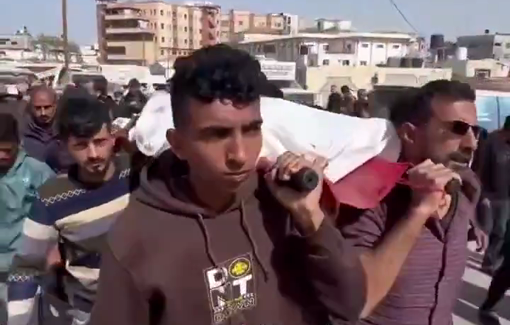
Day 866 in Gaza (Ceasefire violations)
Gaza
18 February, 2026
**Southern Gaza:**
A 20-year-old Palestinian man was killed Wednesday after Israeli forces opened fire east of Khan Younis in southern Gaza, WAFA reports. Muhand Jamal al-Najjar was shot near the Bani Suheila roundabout, according to the news agency’s correspondent.
His killing brings the number of Palestinians killed since the October 11 ceasefire to 604, with at least 1,618 wounded and 726 bodies recovered during the same period.
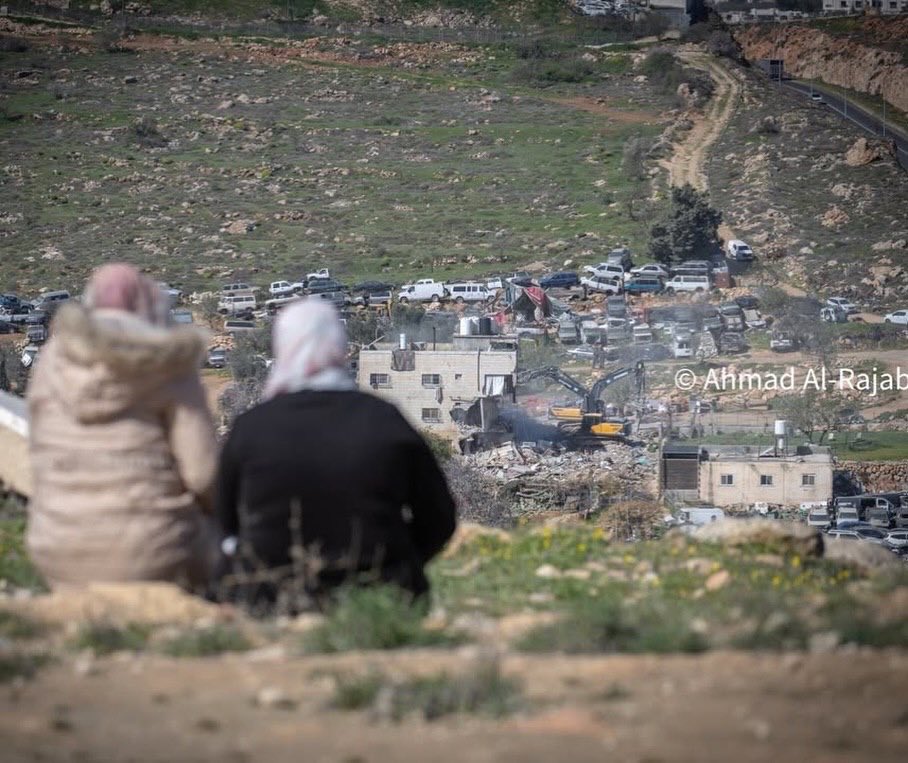
Demolition of 10 residential apartments south of Hebron
West Bank, Al-Khalil/Hebron, Al-Harayeq
18 February, 2026
On February 18, Israeli forces demolished a residential complex in the Al-Harayeq area south of Hebron, near the Haggai settlement.
The complex consisted of two buildings (10 apartments total) — one three-storey building with six apartments and another two-storey building with four apartments.
The homes belonged to the Salhab family and housed more than 40 residents (some reports say around 50 people). The buildings belonged to Mohammed Salhab and his brothers. Salhab said the demolition happened despite him having legal documents proving the family’s ownership of the land and an ongoing court appeal against the demolition orders.
The owner said the demolition took place despite legal documents proving land ownership and an ongoing court appel.
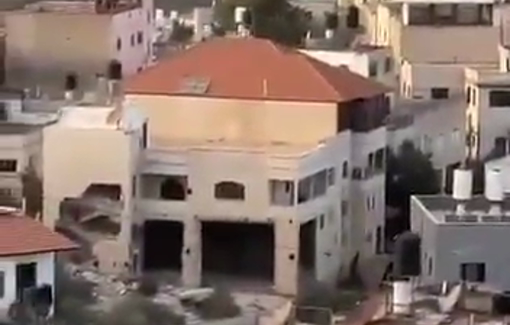
Violent demolition of the house of Raafat Dawasa in Silat al-Harithiya
West Bank, Silat al-Harithiya
17 Feb, 2026 - 18 Feb, 2026
The demolition/explosion of the house of Raafat (Ra’fat) Dawasa in Silat al-Harithiya, west of the city of Jenin, took place on 18 February 2026 (overnight into that day or early morning). On February 17, 2026, Israeli bulldozers had already begun demolishing the house that day.
On February 17, Israeli bulldozers began demolishing the house after evacuating the neighboring houses. The occupation had stormed the town and fired live bullets at school students, coinciding with the storming of the town of Al-Yamoun, accompanied by “-Eitan” armored vehicles, and closed the entrances leading to Silat Al-Harithiya from the Al-Yamoun side.
At 09:30, on February 18, the occupation forces demolished a 3-story house owned by the family of the martyr Raafat Mahmoud Sobhi Dawasa.
At 12:30, they fired stun grenades and tear gas towards citizens, under the pretext that they had been stoned while demolishing a house.
Dawasa was part of the squad that laid the charge that led to the fall of the Israeli late Capt. Alon Sakaggio, wounding 16 other soldiers in operational activity in Jenin on 27 June 2024. In addition, Dewasa took part in the attack at the Meholah Junction in which the Israeli late Jonathan Deutsch was murdered, and another Israeli citizen was injured on August 11, 2024. Dawasa was killed By an Israeli airstrike on August 18, 2024, as a result of the bombing of a vehicle in which he was traveling with Ahmed Abu Arra, and the Israeli authorities notified the family last October of their intention to demolish the house.
This operation is as part of broader Israeli military incursions in the Jenin area. This huge explosion, demand an evacuation order for all the neigborhood and caused civilian damage to surrounding homes.
Israel has a long-standing policy of demolishing or blowing up homes of Palestinians accused of carrying out attacks presented as a deterrence measure against future violence but mostly used as occupation tool and retalation against the family of the Palestinian resistants. Home demolitions are highly not allowed by the International law:
Human rights organizations (e.g., Amnesty, HRW) argue they constitute collective punishment, which is prohibited under international humanitarian law.
**Israeli explanation (official narrative):**
According to Israeli sources, the house belonged to Raafat Dawasa, described as a senior Hamas operative in the Jenin area. He was accused of involvement in attacks in 2024 that killed two Israelis (an Israeli soldier and a civilian "The senior Hamas operative from northern Samaria took part in the killings of IDF Capt. Alon Sacgiu, 22, and Yonatan Deutsch, 23."). He himself was killed in August 2024 during an Israeli operation. The demolition was presented as part of counter-terrorism measures and ongoing military activity in northern West Bank.
IDF we site precises that "IDF forces from the Yahalm unit, the Yiftah MGB, the engineering forces of the Menashe Brigade and the forces of the Nahal Patrol completed a "divisional" operation in the village of Silat al-Hartiya last night (Tuesday)."
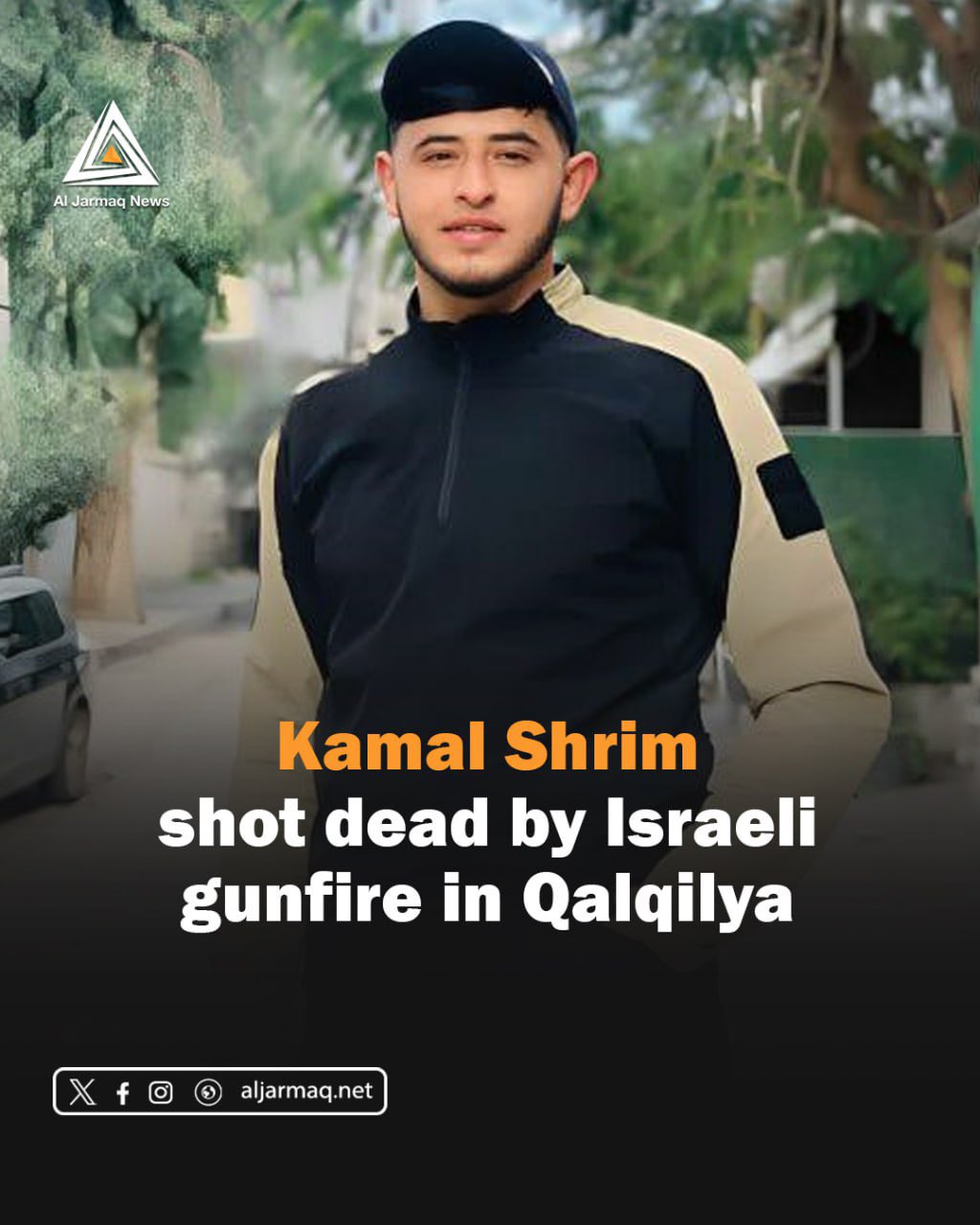
Summary execution of Mohammad Kamal Shreim, 18
Qalqilya, West Bank
16 February, 2026
On February 16, 2026, Mohammad Kamal Shreim was martyred after being hit by Israeli bullets in the vicinity of the northern checkpoint of the city of Qalqilya.
Eyewitnesses reported that the young man was on a dirt road leading to the separation wall on the western-northern side of the city before he was targeted by a bullet fired by a sniper, which led to him being directly hit in the back, as the bullet penetrated his body.
The young man was transferred to the government hospital in the city of Qalqilya, but medical teams announced that he died as a result of his injury.
On February 16, a large crowd of Palestinians carrying his body bid a final farewell to Mohammad Shreim.
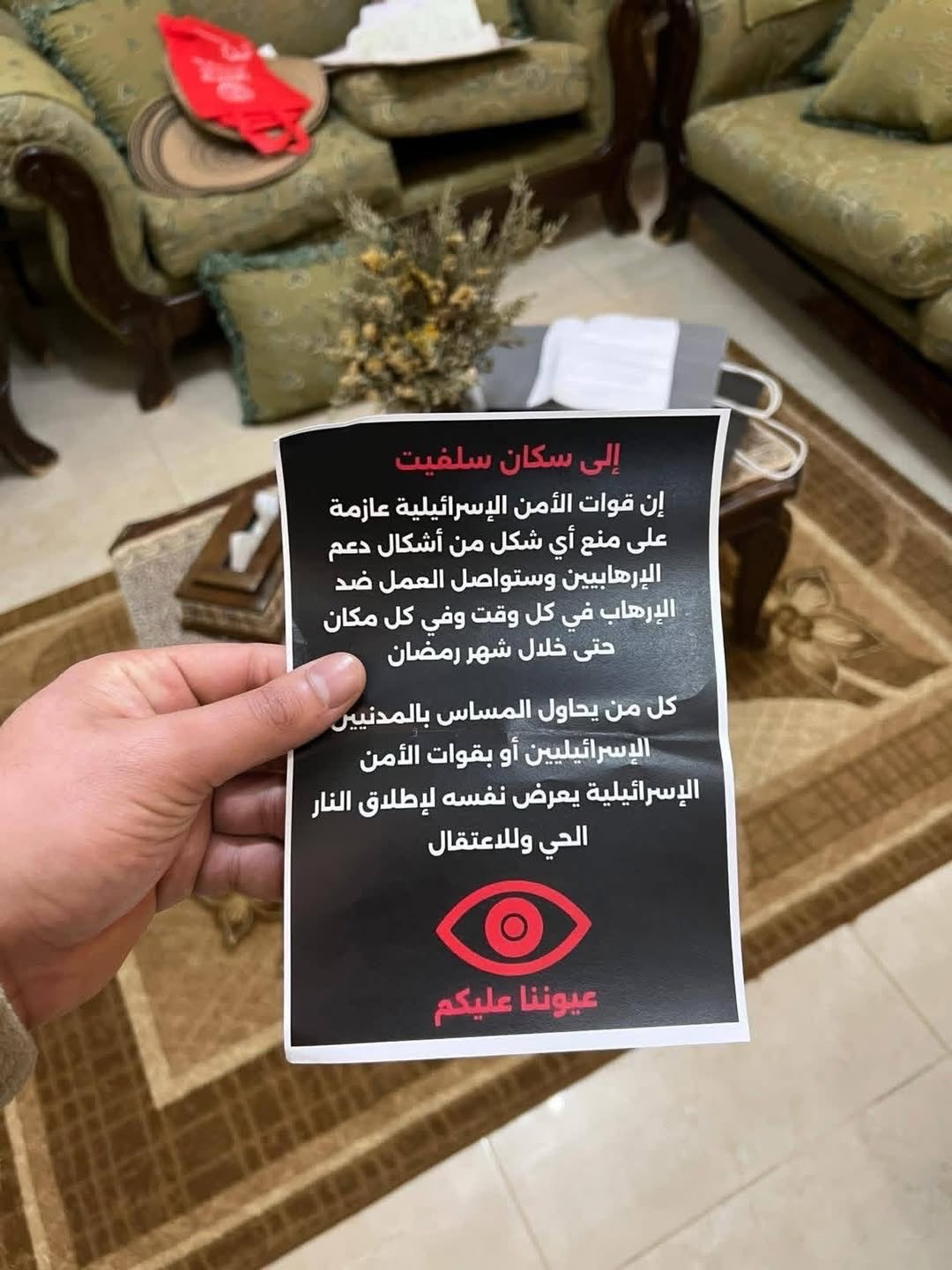
Raid on Salfit
West Bank, Salfit
16 Feb, 2026 - 17 Feb, 2026
At 22:25, on February 16, the Israeli forces stormed the city of Salfit, raided and searched many homes, turned the upper floor of a building into a military point, broke a coffee kiosk, arrested 3 citizens (including a soldier from the National Security Forces), and beat 2 citizens.
At the same time, the Israeli forces closed the iron gate at the northern entrance to the city of Salfit to traffic, all entrances to the city of Salfit (Iskaka Bridge, Wadi Al-Shaer Road, Khirbet Qais Village Road, and Al-Mashfa - Farkha Village Road), with dirt barriers, to traffic until the report was prepared.
**Physical abuse:**
during their storming of the city of Salfit, the occupation forces beat 2 citizens while raiding their homes: Sarafandi Tayseer and Ashraf Zuhd. They occupied the upper floor of the Al-Nour Building and turned it into a military point, they also broke a coffee kiosk owned by the citizen Karam Al-Masry before arrested him.
**Arrest:**
1. At 11:30, the occupation forces arrested the citizen: Thaer Abdel Hamid Khalil, north of the town of Deir Ballut, while he was on his grounds.
2. The 3 detainees in the city of Salfit are: Al-Askari - Ali Muhammad Ali Shtayyeh, Hafez Mahmoud Al-Zeer, and Karam Al-Masry.
On February 17, 2026, at 14:25, the Israeli forces set up a checkpoint at the northern entrance to the city of Salfit, to search vehicles and verify citizens’ identities until 15:40.
Settlers attack
At 11:55, a group of settlers were present in the Al-Matwi area between the city of Salfit and the town of Bruqin, and they attacked and sprayed pepper gas on the citizen: Ihab Al-Masry, while he was passing through the pla
**A leaflet was dropped on the town saying:**
*"To the residents of Salfit
The Israeli security forces are determined to prevent any form of support for terrorists and will continue to act against terrorism at all times and in all places, even during the month of Ramadan.
Anyone who attempts to harm Israeli civilians or Israeli security forces risks being shot with live ammunition and arrest.
Our eyes are on you"*
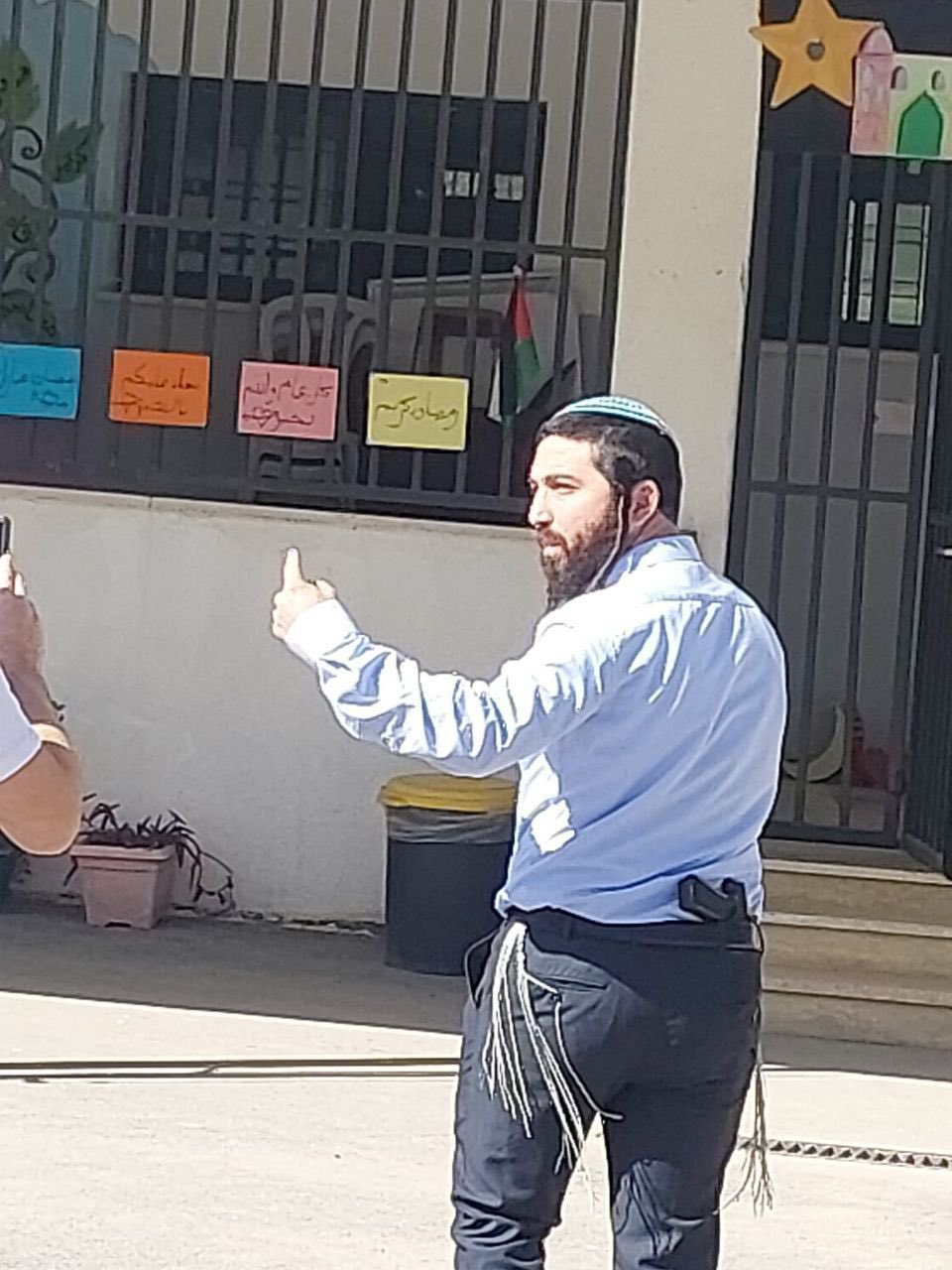
MK Zvi Sukkot crusade against Palestinian education
15 February, 2026
Zvi Sukkot is a lawmaker and member of the far-right Religious Zionism party. He resides in the Yitzhar settlement in the West Bank and is a central figure in colonial activism, participating in the Hilltop Youth group, which is linked to the violent establishment of illegal settlements and attacks on Palestinians. Additionally, he co-founded the unauthorized outpost of Evyatar near Nablus and has been the chair of the Knesset’s Subcommittee for Judea and Samaria since 2023, a position promoted by the Israeli government to justify the occupation of the West Bank.
Zvi Sukkot has focused on Arab and Palestinian schools mainly because he argues that some of these schools promote what he calls “incitement” against Israel, particularly through alleged use of Palestinian Authority curricula or links to figures and organizations he considers supportive of terrorism. He has used his position as chair of the Knesset Education Committee to conduct visits and inspections of Arab-sector schools and has called for state funding to be withheld from schools that, in his view, contain such material.
Critics, including Arab community representatives, describe his campaign as politically motivated and provocative, arguing that it targets Palestinian identity and Arab schools rather than addressing educational issues. They have accused him of using school inspections to create confrontation and spread distrust.
The issue is part of a wider Israeli debate over the content of Palestinian Authority textbooks, Palestinian national identity in schools, Israeli state oversight of Arab education, and the balance between preventing incitement and protecting cultural and political expression.
## **Timeline of the incidents**
**On February 15, 2026,** the Al-Lubban Al-Sharqiya Secondary School for Girls in Nablus, located in northern West Bank, experienced a violent incursion by a group of Israeli settlers led by lawmaker Zvi Sukkot (pictured with a gun on his back). The attack occurred while students were in their classrooms, posing a direct threat to the physical safety of both the students and their teachers, in addition to significantly disrupting the educational process due to the panic caused by the violent settlers. In response to this serious incident, the Palestinian Ministry of Education issued a categorical rejection, stating that these systematic assaults constitute «a flagrant violation of the inviolability of educational institutions and contravene international law that protects the human right to education in safe conditions.»
**On May 11, 2026**, Zvi Sukkot disrupted an event held at the Hebrew University of Jerusalem commemorating the Nakba and targeted Palestinian students with racist remarks. Sukkot told students that by the university allowing this event to take place, it “will lead to the university’s funding being withheld.”
**On June 4, 2026**, Israeli lawmaker Zvi Sukkot visited the Arab Bedouin town of Tuba-Zangariyye to discuss crime and violence in schools. Local leaders opposed the visit, calling it a racist provocation, and locked a school gate to prevent his entry. After being denied access, Sukkot was filmed using an electric saw outside the school. The incident sparked controversy, with local officials saying it frightened some children. Sukkot defended his actions and later called for cuts to state funding for the town’s schools.
**On June 11, 2026**, MK Zvi Sukkot attempted to enter Nour al-Huda School in the Ras Shehadeh neighborhood in Shu’fat Refugee Camp, accusing it of links to Hamas and calling for action against it. His committee attempted to enter the school and threatened measures against it, claiming it had links to organizations associated with Hamas and questioning its funding. The school’s director rejected these accusations as false. This is a part of the "Capital Shield" Israeli operation aiming an isolation and ethnic cleansing of some Refugge Camp inluding in the East Jerusalem teritorries. See event ["Capital Shield" campaign in Shuhafat R.C.](https://genocide.live/event/2495)
**On June 18, 2026**, Zvi Sukkot, under heavy police protection, MK Zvi Sukkot entered the vicinity of schools in the town under heavy protection from Israeli police and military forces. This is a part of the "Capital Shield" Israeli operation aiming an isolation and ethnic cleansing of some Refugge Camp inluding in the East Jerusalem teritorries. See event [Operation "Capital Shield" in Kafr Aqab and Qalanqia (Eviction, demolition and ethnic cleansing)](https://genocide.live/event/2527)
**On June 28, 2026**, Zvi Sukkot’s visit to schools in Umm al-Fahm on June 28, 2026, and hung an Israeli flag outside one of the city's schools. The parents' committee in Umm al-Fahm announced a strike the day before ahead of Sukkot's planned tour of the city. The schools were closed for the entire day, and the parents' committee called the measure a "racist provocation" designed to strengthen its right-wing base for the elections. Sukkot states he wanted to deliver a message to the city's residents, saying "I am not your enemy. I am the chairman of the Knesset Education Committee and I came to inspect the education system. There is no Israeli flag on the main building as required by law, only three schools allow the Israel Police to enter citizenship classes and admit people like Raed Salah. If they continue, then we will make sure that not a single shekel of state money enters the schools here."
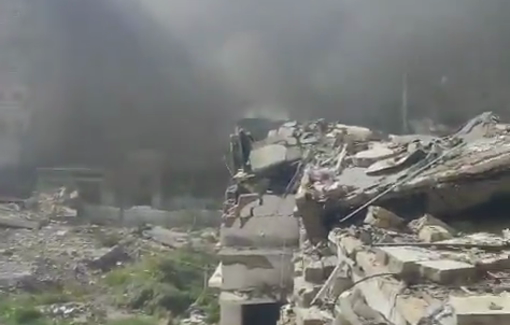
Uncontrolled fire in a aid warehouses in Gaza Ciy
Gaza, Gaza City, Rimal
14 February, 2026
On February 13, 2026, a large fire broke out in a residential building in Gaza City that also contained warehouses belonging to the Qatari Committee (a humanitarian aid body). The incident occurred on Al-Thawra Street in the Al-Rimal neighborhood. The blaze spread quickly through the lower floors, filling the building with heavy smoke and threatening nearby structures. Because of the siege and Israel’s blockade of firefighting equipment, which authorities describe as part of a genocidal policy, emergency services—already degraded by years of conflict damage—are operating with limited capacity, making it harder to control the blaze.
**Response and conditions:**
Palestinian Civil Defense crews, helped by police and local residents, worked for several hours (reports say more than 3–8 hours) to control the fire. The response was severely hampered by lack of equipment and resources, which officials link to widespread destruction and restrictions affecting emergency services in Gaza. Firefighters focused mainly on preventing the flames from spreading to surrounding buildings.
**Casualties and damage:**
Several residents suffered smoke inhalation and were taken for medical treatment. Others were evacuated from the building. The fire caused extensive material damage, including to homes and warehouse contents. Authorities opened an investigation to determine the cause of the fire.
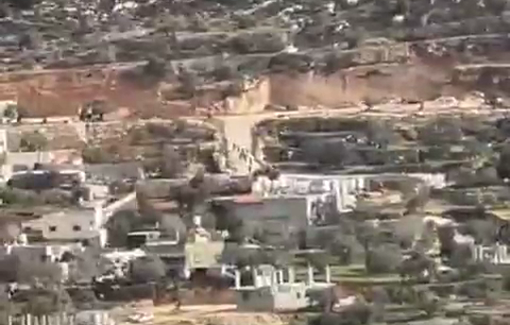
Assault of soldiers and settlers in Talfit
West Bank, Nablus, Talfit
13 February, 2026
In Talfit, south of Nablus, Israeli settlers attacked Palestinians in Talfit, south of Nablus, injuring many. Settlers reportedly fired live ammunition and tear gas at residents trying to resist the assault. Homes and vehicles were vandalized. The Israeli forces surrounded the village mosque as worshippers exited after Friday prayers.
Earlier, settlers accompanied by soldiers had attacked residents, fired live rounds — injuring a young man in the thigh — assaulted others, and smashed vehicle windows.
Israeli forces then fired live ammunition, stun grenades, and tear gas at residents and their homes, causing multiple cases of suffocation.
**Casualties:**
Local officials said 25 Palestinians were wounded when illegal settlers, under army protection, stormed the village.
15 suffered tear-gas inhalation
1 was shot with live fire
9 were beaten
Several vehicles, homes, and even a mosque were damaged
Israeli troops reportedly fired tear gas while settlers carried out the assault.
Al Jazeera reports that 54 Palestinians were injured earlier today in an attack by Israeli settlers and occupation forces in the town of Talfit near Nablus, West Bank.
**Attack on journalists covering the incident:**
Israeli forces fired at an Al Jazeera news crew as it covered an illegal settler attack in the town of Talfit. Soldiers shot towards its team, causing partial damage to camera equipment. Al Jazeera correspondent Tharwat Shaqra said in a live broadcast that troops used live ammunition against the crew before firing a tear gas canister that directly struck and damaged filming gear. The journalists were positioned in a clearly visible, open area and were targeted without being asked to leave the location. The Israeli forces did not immediately comment on the incident.
Raid in Khirbet Makhoul
West Bank, Tubas, Khirbet Makhoul
13 February, 2026
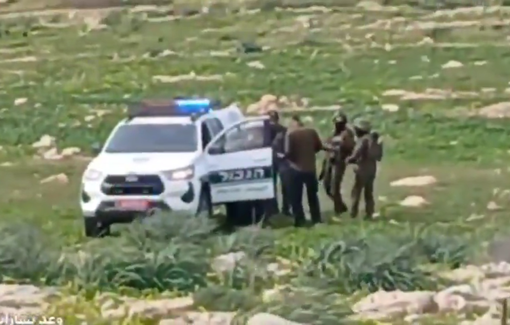
On February 13, 2026, in the northeastern West Bank, colonizers assaulted Palestinian shepherds in Khirbet Makhoul in the northern Jordan Valley.
Mahdi Daraghma, head of the al‑Maleh Village Council, said colonizers attacked residents near their tents in Khallet Makhoul.
Israeli forces also abducted Yusef Bisharat, his wife, and their son near their tents, Kamal Bani Odal, according to the head of the Tubas office of the Palestinian Prisoners’ Society
Ethnic cleansing of Deir al-Duyuk al-Tahta near Jericho
West Bank, Jericho / Ariha, Deir al Duyuk al-Tahta
11 February, 2026
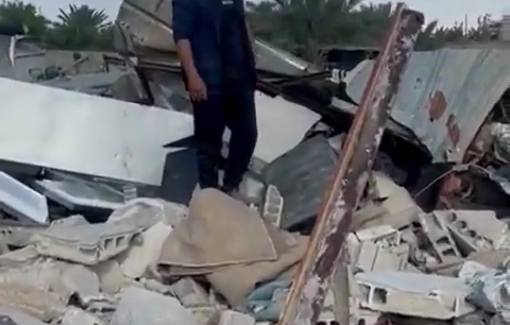
On the begining of February 2026, Israeli settler attacks have forced 15 Palestinian families to flee the As-Satih area in the village of Deir Al-Duyuk, west of Jericho in the occupied West Bank.
Settlers began plowing and leveling land surrounding the families’ homes, preventing them from accessing or using it. The displaced families belong to the Al-Ara’ra clan, one of the latest Bedouin communities forced to leave due to settler violence. The Al-Baydar Organization for the Defense of Bedouin Rights said the operations caused extensive damage to agricultural land.
On Wednesday February 11, 2026, around 50 settlers, accompanied by a bulldozer and an Israeli military vehicle, stormed al-Duyuk al-Tahta village west of Jericho in what local sources described as a coordinated attack. They demolished and vandalized homes—some built of tin sheets, others of concrete—expelled residents, prevented their return, and reportedly seized personal belongings, livestock, and vehicles.
Israeli settlers demolished at least 15 Palestinian homes and about 20 structures in the village. The demolitions took place on Tuesday, February 11, continuing from morning until dark, using bulldozers. The village is in Area C, about 500 meters from Area A under full Palestinian control.
The Israeli Defense Forces (IDF) and Civil Administration stated they were not responsible for the demolitions, though eyewitnesses reported settlers arrived alongside soldiers in uniform.
**Eyewitness Accounts:**
A resident described the events to Haaretz:
“30 settlers arrived in the morning at my uncle's house… They were accompanied by several soldiers in uniform and carrying weapons.”
“They threatened my uncle and his family, beat the men and demanded everyone leave the house. Then they moved to my father's house and subsequently to the rest of the homes. They drove us all away with threats and destroyed the homes with two or three bulldozers. Most of my family, about 60 people, were left homeless.” “Three of my family members were wounded. One of them even fainted, and he had to be treated at a hospital… We called both the Palestinian and Israeli police. The Palestinian police couldn't do anything. No one helped my family. We've been living here for 14 years.”
**Official IDF Statements**
“Following the report, a force arrived at the scene. No suspects were identified in the area, but some 20 homes and Palestinian property were found destroyed… The IDF strongly condemns violence and will continue to act to maintain the security of residents and public order in the area.”
**Far-right Heritage Minister Amichay Eliyahu publicly justified the demolitions:**
“We will destroy any [home] built on Jewish people's heritage. We will return here, pave roads and make the place flourish.”
“We do not apologize for holding onto our land… we are reclaiming our heritage sites and deepening our historical hold on the land of our forefathers for the sake of our children's future.”
**Alon Arad of Emek Shaveh, an anti-occupation archaeological group, stated:**
“According to international law, the only excavations Israel can carry out in the West Bank are those intended to enable Palestinian development. It's forbidden to excavate for the purpose of developing settlements or for any other purpose.”
**Broader context:**
The incident comes amid a sharp escalation in settler violence across the West Bank since October 2023, including killings, arrests, forced displacement, land confiscation, and settlement expansion. On February 8, Israel’s security cabinet approved measures that Palestinians say alter the legal and civil status of the West Bank to deepen Israeli control, warning they could pave the way for formal annexation and further undermine prospects for a Palestinian state under UN resolutions.